
Malaria Symptoms in Bathinda | Prevention & Treatment Guide (2026)
Driven to End Malaria: Now We Can, Now We Must
April 25, 2026 | Saturday
Introduction to World Malaria Day 2026
Malaria symptoms in Bathinda are common during the monsoon season, making early diagnosis and timely treatment essential. If ignored, malaria can lead to serious health complications. This World Malaria Day 2026 guide explains the early signs, prevention tips, and best malaria treatment in Bathinda to help you stay safe.
World Malaria Day is observed every year on April 25, and in 2026 it falls on Saturday, April 25, 2026. This global health awareness event highlights the ongoing fight against malaria and accelerates efforts to eliminate this life-threatening mosquito-borne disease. Despite significant progress over the past decades, malaria continues to affect millions of people worldwide, particularly in tropical and subtropical regions.
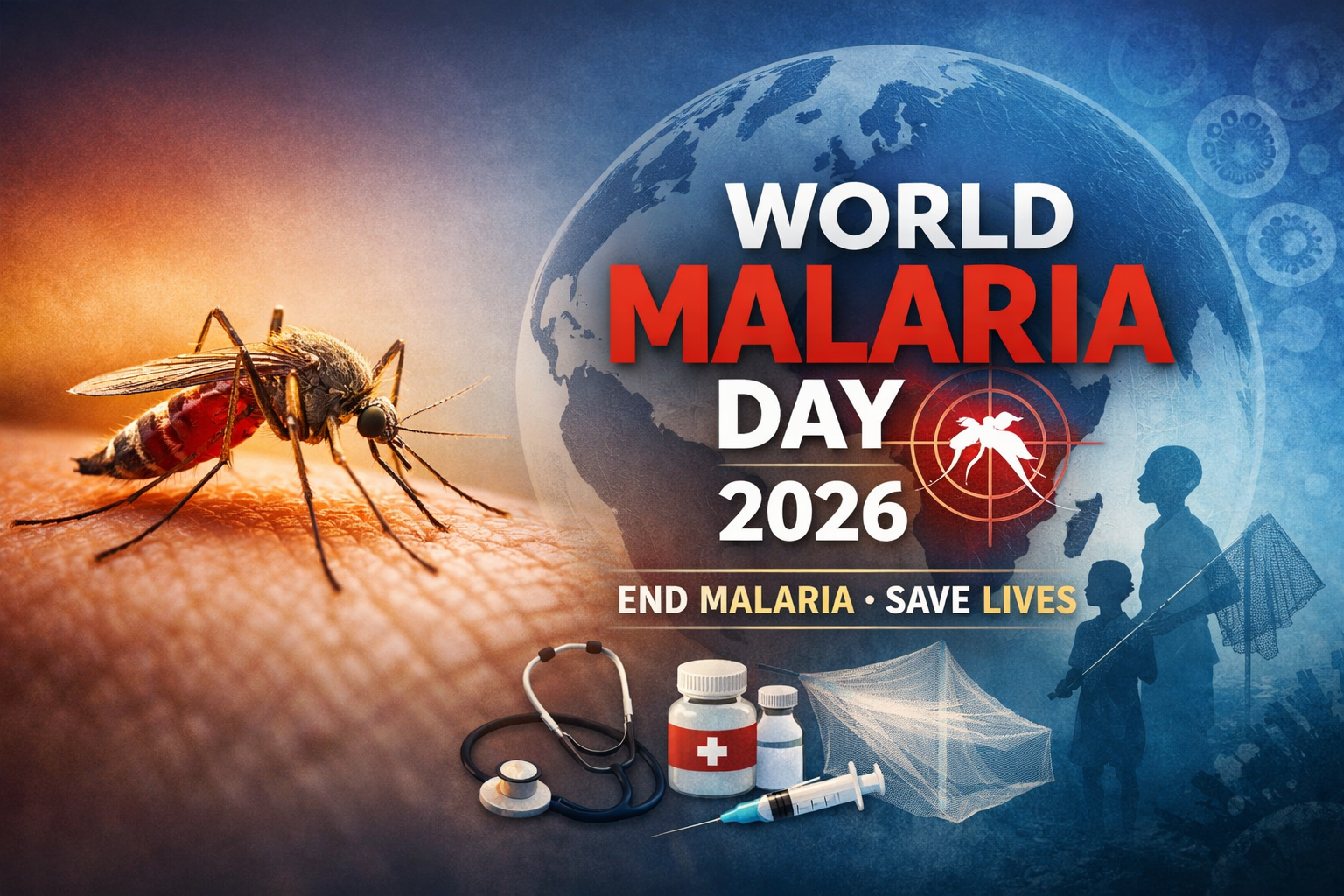
The theme for 2026, "Driven to End Malaria: Now We Can, Now We Must" emphasizes urgency, innovation, and collective responsibility. With advancements in medical science, improved malaria treatment in Bathinda options, and stronger global partnerships, eliminating malaria is no longer just a vision—it is an achievable goal.
What is World Malaria Day?
World Malaria Day is observed every year on April 25th to raise awareness about prevention malaria prevention, promote global action, and encourage investment in research and healthcare systems. Established by the World Health Organization (WHO), this day serves as a platform to educate communities, policymakers, and healthcare providers about the importance of malaria awareness and control.
It is also an opportunity to celebrate the progress made in reducing malaria cases while recognizing the challenges that still remain in high-risk regions.
🎯 Key Objectives:
- Raise global awareness about malaria
- Promote prevention strategies
- Encourage investment in malaria research
- Strengthen healthcare systems
- Celebrate progress and identify challenges
The Theme of World Malaria Day 2026
"United Against Malaria"
"Driven to End Malaria: Now We Can, Now We Must"
This campaign carries a message of both urgency and genuine optimism: for the first time in history, ending malaria within our lifetime is a real possibility.
Advances in malaria vaccines, improved diagnostic tools, more effective treatments, and stronger community health systems have brought the world closer to this goal than ever before. The 2026 campaign calls on every country, community, and individual to maintain and accelerate this momentum, recognising that unity of purpose and sustained investment are what will ultimately tip the balance against this ancient disease.
Previous World Malaria Day Themes
United Against Malaria
"Driven to End Malaria: Now We Can, Now We Must"
Malaria Ends With Us
Reinvest, Reimagine, Reignite
Accelerating the Fight Against Malaria
For a More Equitable World
Time to Deliver Zero Malaria
Invest, Innovate, Implement
Harness Innovation
Reduce the Malaria Disease Burden and Save Lives
Reaching the Zero-Malaria Target
Global efforts to eliminate malaria
How Malaria Spreads
Infected Mosquito Bites
An infected female Anopheles mosquito bites a human
Parasites Enter Blood
Parasites enter the bloodstream through mosquito saliva
Liver Multiplication
Parasites travel to liver and multiply rapidly
Red Blood Cell Infection
Parasites re-enter bloodstream and infect red blood cells
⚠️ Other Rare Transmission Modes:
- Blood transfusion from infected donor
- Organ transplantation from infected donor
- From mother to baby during pregnancy (congenital malaria)
- Sharing needles or syringes contaminated with infected blood
Malaria Symptoms in Bathinda (Early Signs You Should Not Ignore)
Recognizing Malaria symptoms in Bathinda early is crucial for timely malaria diagnosis and treatment in Bathinda, especially during monsoon when mosquito-borne diseases increase.
Malaria symptoms usually appear 10 to 15 days after an infected mosquito bite. However, in some cases, symptoms may take longer to develop depending on the parasite species.
Common Malaria Symptoms in Bathinda
🌡️ High Fever and Chills
Sudden high fever with shivering is the most common sign of malaria infection. Fever typically comes in cycles.
💦 Sweating
Heavy sweating occurs after fever, often in cycles (chills → fever → sweating). This pattern repeats every 2-3 days.
🤕 Headache
Continuous headache due to infection and body inflammation. Often severe and persistent.
🤢 Nausea and Vomiting
Digestive discomfort is common in early malaria stages. May be mistaken for food poisoning or viral infection.
💪 Muscle Pain
Body aches and joint pain due to parasite activity in the blood. Can be severe and debilitating.
😴 Fatigue
Extreme weakness caused by loss of red blood cells and the body's immune response to infection.
🚨 Severe Malaria Symptoms (Emergency in Bathinda)
🧠 Confusion
Mental confusion or unconsciousness indicates severe malaria affecting the brain (cerebral malaria).
😮💨 Breathing Difficulty
Shortness of breath due to complications in lungs or anemia.
🩸 Severe Anemia
Low hemoglobin due to destruction of red blood cells by parasites.
🫁 Organ Failure
Advanced stage can affect kidneys, liver, or brain - life threatening.
⚠️ Important Note for Bathinda Residents
If you notice these malaria symptoms in Bathinda, seek immediate medical help. Early malaria treatment in Bathinda can prevent serious complications and save lives. Do not wait for symptoms to worsen.
Malaria Risk Factors in Bathinda (Who Is Most at Risk?)
Certain populations are at higher risk of contracting malaria. Understanding these risk factors helps in targeted prevention efforts.
🌴 Geographic Location
People living in tropical and subtropical regions where malaria is endemic. Sub-Saharan Africa, South Asia, and parts of South America have highest transmission rates.
✈️ Travelers
Travelers to malaria-endemic areas who have no immunity to the disease. This includes tourists, business travelers, and visiting friends and relatives.
🤰 Pregnant Women
Pregnancy reduces immunity, making women more susceptible. Malaria during pregnancy can cause anemia, low birth weight, and even death of mother or baby.
👶 Children Under 5
Young children have not yet developed immunity to malaria. They are at highest risk of severe illness and death, especially in Africa.
🩺 Weakened Immunity
Individuals with weakened immune systems due to HIV/AIDS, cancer treatment, or other conditions are more vulnerable to severe malaria.
🏚️ Environmental Factors
Stagnant water, poor sanitation, and warm climates increase mosquito breeding. Urban slums and rural areas with poor drainage are high-risk zones.
Malaria Prevention Tips in Bathinda (Protect Yourself During Monsoon)
Effective malaria prevention plays a crucial role in reducing infection rates and controlling mosquito-borne diseases globally. In Bathinda , preventive steps like eliminating stagnant water and using mosquito protection are especially important during monsoon seasons.
Preventing malaria is one of the most effective ways to reduce its spread. Here are proven malaria prevention strategies
Avoid Mosquito Bites
- Use mosquito repellents containing DEET
- Wear full-sleeved clothing, especially at dusk
- Use insecticide-treated bed nets (ITNs)
- Stay in air-conditioned or screened rooms
Eliminate Breeding Sites
- Remove stagnant water from surroundings
- Keep water storage containers covered
- Clean gutters and drains regularly
- Maintain proper sanitation
Indoor Protection
- Install window and door screens
- Use indoor insecticides or mosquito coils
- Use electric mosquito repellent devices
- Keep doors and windows closed at dusk
Preventive Medication
- Travelers to high-risk areas should take antimalarial drugs
- Consult doctor before traveling
- Start medication before travel as advised
- Continue after returning as prescribed
Malaria Treatment in Bathinda (Best Options & Medicines)
Timely malaria treatment is essential to prevent complications and reduce mortality rates caused by severe infections. Patients in Bathinda should consult qualified healthcare professionals for accurate diagnosis and effective malaria treatment in Bathinda.
Malaria is treatable, especially when diagnosed early. The type of malaria treatment depends on the parasite species, severity of infection, and patient health condition.
💉 Common Treatment Methods
- Artemisinin-based Combination Therapies (ACTs)
First-line treatment for uncomplicated P. falciparum malaria. Highly effective and recommended by WHO.
- Chloroquine
Used in regions where parasites are still sensitive to this drug. Effective for P. vivax in some areas.
- Primaquine
Used to prevent relapses of P. vivax and P. ovale by targeting dormant liver parasites.
- Supportive Care for Severe Cases
Intravenous medications, fluid management, blood transfusions for severe anemia, and intensive monitoring.
⚠️ Critical Information
Early diagnosis through blood tests is essential for effective treatment and preventing complications. If you suspect malaria, visit a healthcare facility immediately for testing. Do not self-medicate or delay treatment.
How Can You Contribute to the Fight Against Malaria?
Reducing the burden of malaria requires active participation from individuals, families, and communities. Small actions, when multiplied across society, create powerful protection against this disease.
Stay informed about malaria and its prevention
Awareness of how malaria spreads, the symptoms to watch for, and the importance of early treatment can help people take timely action and reduce the risk of complications.
Prevent mosquito breeding around homes
Regularly checking surroundings for stagnant water in containers, flower pots, water tanks, and drains can help limit mosquito breeding sites and reduce mosquito populations.
Promote the use of protective measures
Encouraging the use of mosquito nets, repellents, and protective clothing in households and communities can help minimise exposure to mosquito bites.
Seek medical care at the first sign of symptoms
Early diagnosis and treatment can prevent severe illness and also help reduce the chances of further transmission within the community.
Support local awareness and prevention campaigns
Participation in community health drives, awareness programmes, and sanitation initiatives can strengthen collective efforts to control mosquito populations.
Share accurate information within the community
Spreading reliable information about malaria prevention and symptoms can help others recognise the disease early and adopt preventive practices.
Encourage community cleanliness and environmental responsibility
Community efforts such as proper waste management, cleaning neighbourhood spaces, and maintaining drainage systems can contribute to long-term mosquito control.
Conclusion
World Malaria Day 2026 highlights the urgent need for stronger malaria prevention, better malaria treatment access, and widespread malaria awareness campaigns to eliminate this deadly mosquito-borne disease.
For residents of Bathinda, staying informed and taking preventive measures can make a real difference in reducing malaria cases locally.
World Malaria Day 2026 serves as a powerful reminder that the fight against malaria is not over—but it is winnable. With the theme "Driven to End Malaria: Now We Can. Now We Must," the global community is encouraged to act decisively.
By focusing on malaria prevention, improving access to malaria treatment, and spreading malaria awareness, we can significantly reduce the burden of this disease.
Collective efforts from governments, healthcare professionals, and individuals are essential to create a malaria-free world.
🌍 Now is the time to act—because we have the tools, the knowledge, and the responsibility to end malaria. 🌍
FAQs on World Malaria Day 2026
These FAQs target users searching for malaria symptoms in Bathinda, malaria treatment in Bathinda, and local malaria prevention tips.
World Malaria Day 2026 is a global awareness event observed on April 25 to promote malaria prevention,treatment, and control efforts worldwide. The theme is "United Against Malaria" with the campaign "Driven to End Malaria: Now We Can, Now We Must"
Early malaria symptoms include fever, chills, headache, sweating, nausea, and fatigue. These typically appear 10-15 days after an infected mosquito bite. If you experience these symptoms in Bathinda, seek medical attention immediately.
Malaria prevention includes using mosquito nets, applying repellents, eliminating stagnant water, wearing protective clothing, and taking preventive medications when traveling to high-risk areas. In Bathinda, focus on removing breeding sites during monsoon.
Yes, malaria is curable if diagnosed early and treated with appropriate antimalarial medications. Malaria treatment options include Artemisinin-based Combination Therapies (ACTs), chloroquine, and supportive care for severe cases.
Children under 5, pregnant women, travelers to endemic regions, and people with weak immunity are at highest risk. Environmental factors like stagnant water and poor sanitation also increase risk.
It raisesmalaria awareness, promotes prevention strategies, and encourages global action to eliminate malaria. The day highlights progress made and challenges remaining in the fight against this deadly disease.
Join the Fight Against Malaria
This World Malaria Day 2026, commit to protecting yourself and your community. Get tested if you have symptoms, complete your treatment, and spread awareness.
Find Testing Centers in Bathinda