
World Hepatitis Day 2026 Theme, Date and Importance
Join the global movement to eliminate viral hepatitis. Early testing, vaccination, and awareness can save millions of lives worldwide.
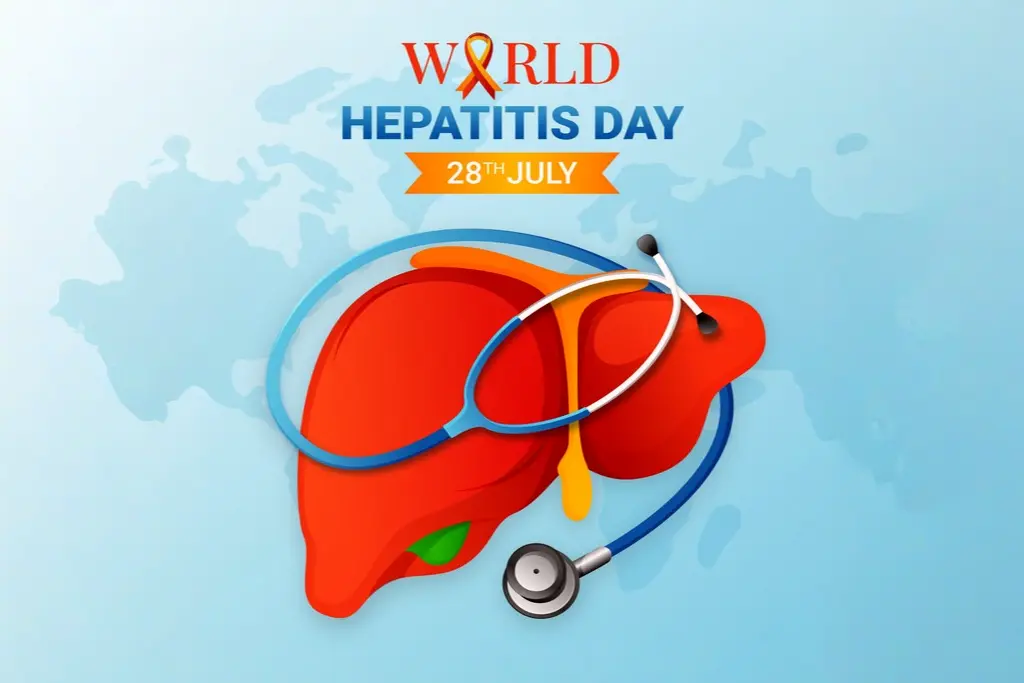
Tuesday, 28 July 2026 — World Hepatitis Day 2026 Date
Honouring Dr. Baruch Samuel Blumberg
Get Vaccinated
Protect against Hep A & B
Get Tested
Early detection saves lives
What Is World Hepatitis Day?
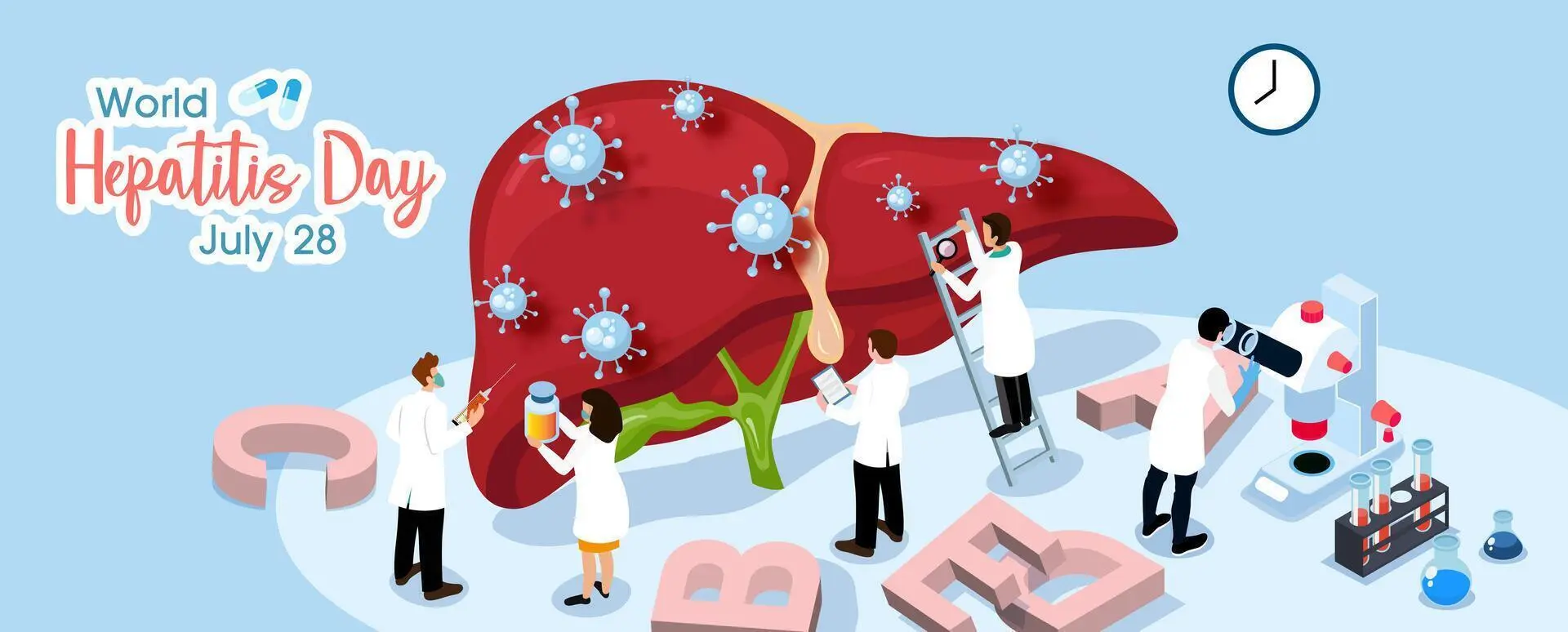
World Hepatitis Day 2026 is an annual international health awareness event recognised by the World Health Organization. It highlights the global impact of hepatitis infections and promotes policies that improve prevention, diagnosis, and treatment.
Millions of people worldwide live with hepatitis without knowing they are infected , making awareness one of the most effective tools in reducing transmission and preventing long-term complications like liver cancer and cirrhosis. This is why every world hepatitis day awareness campaign 2026 places such strong emphasis on early screening and community education.
World Hepatitis Day 2026 will be observed on Tuesday, 28 July 2026, under the official theme "Let's Break It Down." The day aims to raise awareness of viral hepatitis, encourage early testing, expand vaccination, reduce stigma and support the World Health Organization's target of eliminating hepatitis as a public health threat by 2030. World Hepatitis Day 2026 is a helpful resource for students, teachers, awareness campaign organizers, and anyone who is eager to know about the World Hepatitis Day 2026 theme, World Hepatitis Day 2026 date, and World Hepatitis Day 2026 slogan.
What Is the Theme of World Hepatitis Day 2026?
The World Hepatitis Day 2026 theme emphasises breaking down barriers that prevent progress in eliminating hepatitis.
Let's Break It Down
Chosen as the official World Hepatitis Day 2026 slogan, this theme calls on governments, healthcare providers, organisations, and communities to simplify access to hepatitis prevention, testing, treatment, and care while breaking down stigma, misinformation, and health inequalities.
What Are the Types of Hepatitis?
Hepatitis refers to inflammation of the liver. Learn about the five major types and how they spread — a key part of understanding hepatitis causes and risk factors.
Hepatitis A
Usually spreads through contaminated food or water. Generally short-term and self-limiting. See the hepatitis causes and risk factors below. Vaccine available.
Food/Water BorneHepatitis B
Transmitted through blood and bodily fluids. Can become chronic if untreated . Vaccine available.
Blood/Fluid BorneHepatitis C
Primarily spreads through infected blood. Often remains undiagnosed for years . Curable with modern antiviral therapies.
Blood BorneHepatitis D
Occurs only in people already infected with hepatitis B. Requires specialist care and co-infection management.
Co-infectionHepatitis E
Commonly spreads through contaminated drinking water in areas with poor sanitation. Generally self-limiting.
Water BorneWhat Causes Hepatitis? Understanding Hepatitis Causes and Risk Factors
Several factors may contribute to hepatitis. Understanding these hepatitis causes and risk factors helps reduce infection risks.
Viral Infections
Unsafe Injections
Contaminated Food
Contaminated Water
Unscreened Blood Transfusions
Sharing Needles
Unprotected Sexual Contact
Alcohol Abuse
Autoimmune Disorders
Certain Medications
What Are the Signs and Symptoms of Hepatitis?
Hepatitis often progresses silently. Recognise these warning signs early — understanding hepatitis symptoms and prevention together is the best defence for liver health.
Fatigue & Weakness
Fever & Body Aches
Loss of Appetite
Nausea & Vomiting
Dark Urine
Pale Stools
Yellowing of Skin
Yellow Eyes (Jaundice)

How Is Hepatitis Treated?
Treatment depends on the specific type and follows proper hepatitis testing and diagnosis. Medical supervision remains essential throughout the treatment process.
Hepatitis A
Usually resolves with supportive care, including rest, hydration, and proper nutrition.
Hepatitis B
May require antiviral medications to manage the infection and prevent liver damage.
Hepatitis C
Can often be cured using modern antiviral therapies with high success rates.
Hepatitis D
Treatment is more complex and requires specialist care.
Hepatitis E
Generally improves with supportive treatment, similar to Hepatitis A management.
How Can You Prevent Hepatitis?
Prevention remains the most effective defence against hepatitis. Follow these essential hepatitis symptoms and prevention guidelines.
Get Vaccinated: Hepatitis Vaccination Guide
Vaccines are available for Hepatitis A and B. Ensure you and your family receive recommended vaccinations on schedule — see our full hepatitis vaccination guide below.

Practice Hygiene
Wash hands regularly with soap, drink clean water, and eat hygienically prepared food to prevent infection.
Safety First
Practice safe sex, avoid sharing needles, and ensure sterile medical equipment during any procedure.
Hepatitis Testing and Diagnosis
Get tested when recommended , especially if you are in a high-risk group. Timely hepatitis testing and diagnosis leads to better outcomes.
Healthy Lifestyle
Limit alcohol intake, maintain a healthy diet, exercise regularly, and avoid exposure to harmful toxins.
Spread Awareness
Educate your community about hepatitis prevention, testing, and treatment options through a strong world hepatitis day awareness campaign 2026. Try a world hepatitis day social media campaign or local drive — knowledge saves lives.
Why Is Hepatitis Vaccination Important?
Vaccination has dramatically reduced hepatitis infections worldwide. This hepatitis vaccination guide covers the safe and effective vaccines available for Hepatitis A and B, providing long-term protection against these potentially life-threatening diseases.
Hepatitis A Vaccine
Two-dose series providing long-term immunity against food and water-borne infection.
Hepatitis B Vaccine
Three-dose series recommended for all infants and high-risk adults worldwide.
Infant Vaccination
WHO recommends universal Hep B vaccination within 24 hours of birth for all newborns.
Hepatitis Awareness Activities 2026: How Can You Celebrate World Hepatitis Day?
Everyone has a role in spreading awareness. Here are impactful hepatitis awareness activities 2026 to help you participate.
World Hepatitis Day Poster Ideas 2026
Organise creative poster competitions in schools and colleges — these world hepatitis day poster ideas 2026 make for powerful visual awareness.
Quiz Contests
Host knowledge-based quizzes covering hepatitis facts and myths, prevention strategies, and busting common misconceptions.
Health Checkup Camps
Set up free screening and vaccination camps in communities and workplaces.
Expert Lectures
Invite healthcare professionals to deliver educational talks and webinars.
Awareness Walks
Organise community walks and rallies to visibly show support for hepatitis elimination.
World Hepatitis Day Social Media Campaign
Run a world hepatitis day social media campaign using hashtags, stories, and reels to reach millions with accurate hepatitis information.
Blood Donation Drives
Coordinate safe blood donation events to support patients and raise awareness.
School Presentations
Deliver age-appropriate presentations to educate students about liver health early.
World Hepatitis Day 2026 Quotes
Powerful messages and World Hepatitis Day 2026 quotes to inspire action and spread hope.
Awareness saves lives. Early testing leads to better outcomes.
Protect your liver. Protect your future.
Prevention begins with knowledge. Together we can eliminate hepatitis.
A healthy liver, a healthier tomorrow.
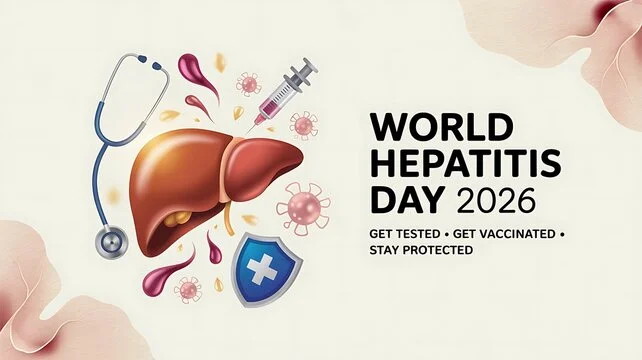
Get tested. Get vaccinated. Stay protected.
Breaking down barriers, building a healthier world for all.
Frequently Asked Questions
Find answers to the most commonly asked questions about hepatitis facts and myths, and World Hepatitis Day.
It raises awareness about hepatitis prevention, diagnosis, treatment, and elimination. The day brings together governments, healthcare organisations, and communities to promote better liver health and encourage individuals to take proactive steps toward prevention.
Every year on 28 July. The date honours the birth anniversary of Nobel Prize-winning scientist Dr. Baruch Samuel Blumberg, who discovered the hepatitis B virus and helped develop the first hepatitis B vaccine.
Yes. Vaccination, safe hygiene practices, regular screening, and healthy lifestyle choices greatly reduce the risk. Vaccines are available for hepatitis A and B, and practicing safe sex, avoiding needle sharing, and ensuring sterile medical equipment are essential preventive measures.
Vaccines are available for hepatitis A and hepatitis B. The hepatitis A vaccine is a two-dose series, while the hepatitis B vaccine is a three-dose series. WHO recommends universal hepatitis B vaccination for all infants within 24 hours of birth.
Many people experience no symptoms during the early stages, making screening essential for timely treatment. Early detection significantly improves treatment outcomes and can prevent progression to severe liver disease, cirrhosis, and liver cancer.
The World Health Organization has set a target to eliminate viral hepatitis as a major public health threat by 2030. This goal requires expanded vaccination, universal screening, affordable treatment, and stronger healthcare infrastructure worldwide.
A common myth is that hepatitis only spreads through poor hygiene; in reality, hepatitis B and C spread mainly through blood and body fluids and can affect anyone. Another myth is that hepatitis always causes visible symptoms — many people carry the infection for years without knowing. Learning these hepatitis facts and myths helps reduce stigma and encourages more people to get tested.
A good hepatitis vaccination guide covers who needs the vaccine, the dosing schedule, and where to get it. Hepatitis A requires a two-dose series and Hepatitis B a three-dose series, with infants recommended to receive their first Hepatitis B dose within 24 hours of birth. Consult your nearest hospital or health centre for personalised guidance.
Join the Movement to Eliminate Hepatitis
World Hepatitis Day 2026 serves as a powerful reminder that awareness, education, vaccination, and timely medical care can transform public health outcomes. Take action today.
Together We Can Make a Difference
While hepatitis continues to affect millions worldwide, many infections are preventable and treatable when detected early. Individuals, healthcare professionals, governments, and communities all share responsibility for reducing transmission and improving access to care.
By promoting regular screening, supporting vaccination programmes, and encouraging informed health decisions, society can move closer to the global goal of eliminating viral hepatitis as a public health threat.
This World Hepatitis Day, take a simple yet meaningful step. Learn the facts, encourage others to get tested , support awareness initiatives, and help build a healthier future for everyone.