
In 2026, World Brain Tumor Day falls on Monday, June 8. The observance highlights the challenges faced by individuals living with brain tumors while encouraging communities worldwide to spread awareness and support medical innovation. Whether you are a patient, caregiver, healthcare professional, or simply someone looking to learn more, this comprehensive guide covers everything you need to know about World Brain Tumour Day 2026.
Quick Navigation — Table of Contents
What Is World Brain Tumor Day?
World Brain Tumor Day 2026 Theme
Global Brain Tumor Statistics
Types of Brain Tumors
Key Symptoms & Warning Signs
Glioblastoma Deep Dive
Recent Advances in Treatment
Expert Neurosurgical Insights
Myths vs Facts
How to Support Awareness
Frequently Asked Questions
Conclusion
World Brain Tumor Day 2026: Theme, Symptoms, Treatment, Facts & Awareness Guide
World Brain Tumor Day 2026 is observed every year on June 8 to raise awareness about brain tumors, encourage early diagnosis, support patients and caregivers, and promote research into better treatments.
What Is World Brain Tumor Day?
World Brain Tumor Day is observed on June 8 every year. It was first introduced by the German Brain Tumor Association (Deutsche Hirntumorhilfe e.V.) in the year 2000 as a dedicated day to honour brain tumor patients and promote global awareness about this disease.
World Brain Tumor Day is celebrated globally on June 8 every year to raise awareness about brain tumors
Over the past two decades, the observance has expanded beyond Germany to more than 30 countries. Hospitals, research institutions, non-profits, and patient advocacy groups participate through educational campaigns, public talks, fundraising events, and social media drives.
Three Core Purposes of World Brain Tumor Day
- Education — Informing the general public about symptoms, risk factors, and the importance of timely medical evaluation
- Support — Showing solidarity with patients and their families who face significant emotional and physical challenges
- Advocacy — Pushing for greater investment in brain tumor research, clinical trials, and access to advanced treatment
What is the World Brain Tumor Day 2026 Theme?
🅇 World Brain Tumour Day 2026 Official Theme
"A Closer Look"
This year's observance focuses on increasing awareness for early detection and reducing the diagnostic gap, particularly in low- and middle-income countries where access to advanced screening and specialist care remains limited.
The World Brain Tumor Day 2026 theme "A Closer Look" encourages everyone — from medical professionals to the general public — to pay closer attention to the early warning signs of brain tumors and to advocate for improved diagnostic capabilities worldwide. This theme is especially relevant as early detection remains one of the most critical factors in improving patient outcomes.
Global Brain Tumor Statistics
Brain tumors remain a major public health concern. Understanding the scale of this challenge is crucial for driving awareness and funding research. Here are the key facts you should know:
330K+
New brain & CNS tumors diagnosed globally each year
#1
Glioblastoma is the most aggressive primary brain cancer in adults
All Ages
Brain tumors can affect children, adults, and older individuals
Varies
Survival rates vary significantly depending on tumor type and stage
For more information regarding brain tumor statistics and diagnostics, you can review the American Association of Neurological Surgeons or the National Cancer Institute.
Types of Brain Tumors
Understanding the different types of brain tumors is essential for awareness and early detection. Brain tumors are broadly classified into two categories: benign (non-cancerous) and malignant (cancerous).
Benign
Benign Brain Tumors
- Non-cancerous growths
- Usually grow slowly
- Can still cause serious complications
- Often easier to treat surgically
Malignant
Malignant Brain Tumors
- Cancerous and aggressive
- May invade nearby tissues
- Require comprehensive treatment
- Higher risk of recurrence
Common Brain Tumor Types
- Glioma — Tumors that arise from glial cells
- Glioblastoma — Most aggressive grade 4 brain tumor
- Meningioma — Usually benign, arises from meninges
- Pituitary Tumor — Develops in the pituitary gland
- Medulloblastoma — Common in children, arises in cerebellum
- Acoustic Neuroma — Benign tumor on hearing nerve
Each type varies in growth rate, symptoms, treatment, and prognosis. If you or a loved one experiences persistent symptoms, consult a neurologist immediately for proper evaluation.
What is a Type 4 Brain Tumor? (Glioblastoma)
A type 4 (or grade 4) brain tumor is the most aggressive and malignant classification of brain cancer. These tumors grow rapidly, exhibit highly abnormal cells, and frequently infiltrate surrounding healthy brain tissue. The most common form is Glioblastoma.
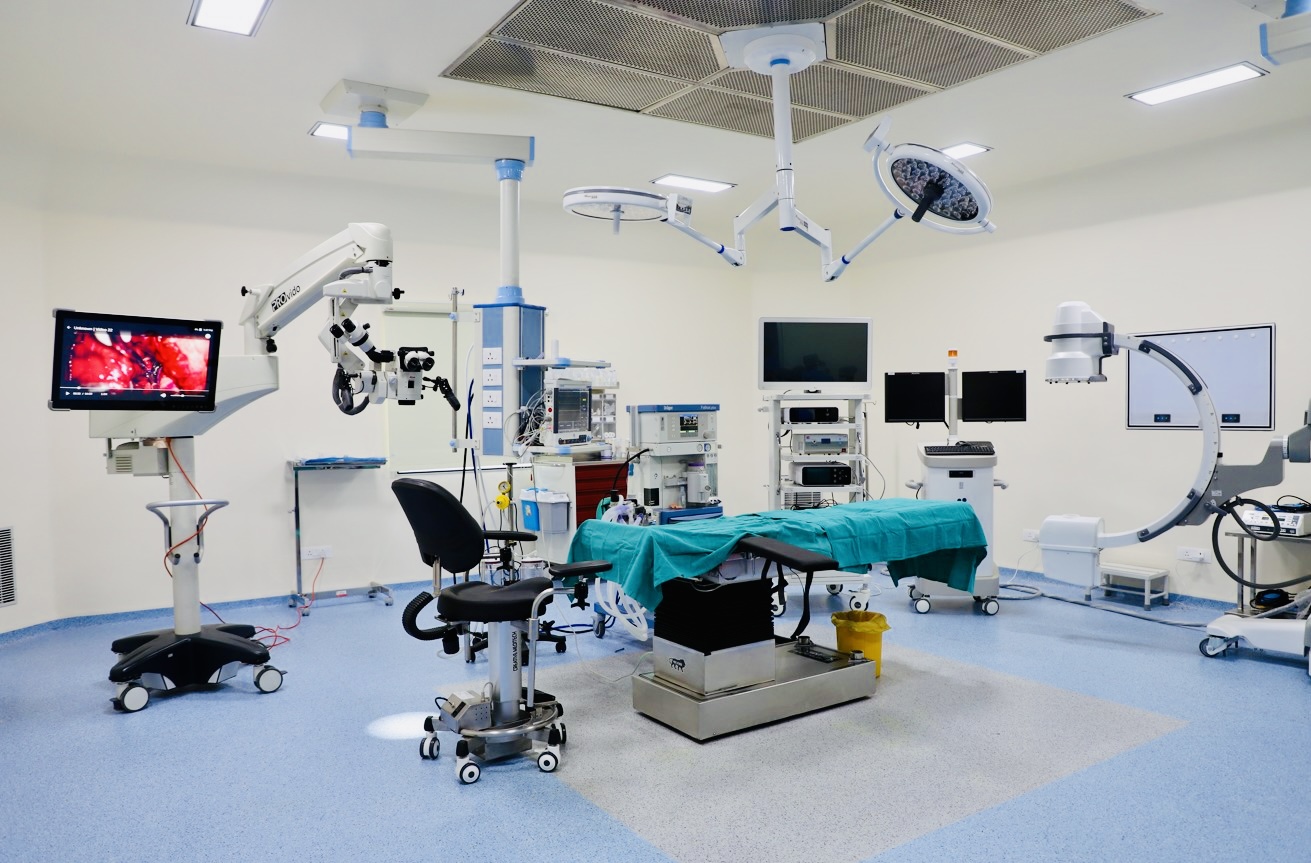
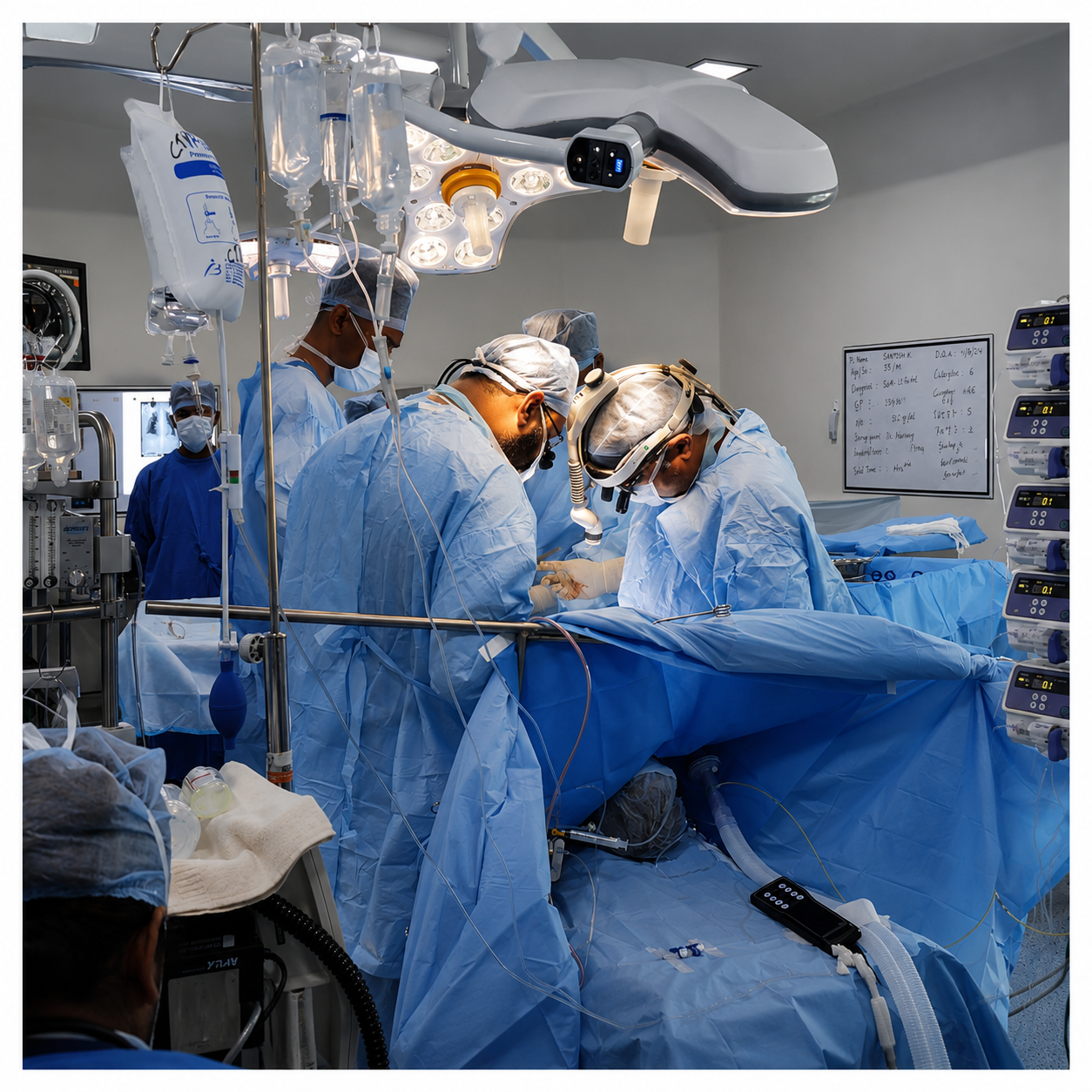
Modern neurosurgery operating room designed for advanced brain tumor treatment, minimally invasive procedures, and critical neurological care.
At What Age Is Glioblastoma Most Common?
The average age of diagnosis for glioblastoma is between 64 and 66 years old. While it most commonly affects older adults between the ages of 45 and 70, this aggressive form of brain cancer can occur at any age.
Key Details on Glioblastoma Demographics
- Diagnosis & Incidence: The risk of developing glioblastoma increases with age. It is slightly more prevalent in men than in women.
- Prognosis and Age: Age is a critical prognostic factor. Younger adults (especially those under 45 or 50) generally experience higher resilience to aggressive treatments and have better overall survival outcomes.
- Genomic Subtypes: The most common form in adults, IDH-wildtype glioblastoma, typically has a slightly older median onset of 68–70 years of age.
What Famous Person Died from Glioblastoma?
Senator John McCain died on August 25, 2018, at his home in Arizona after more than a year-long fight with glioblastoma (GBM), an aggressive form of brain cancer. His battle brought significant national attention to brain tumor awareness.
Who Is the Longest Living Person with Glioblastoma?
The longest documented glioblastoma (GBM) survivals range from 20 to 25+ years, defying the average survival rate of less than 8% over five years.
Remarkable Long-Term Survivors
- Carmen Rice: Originally diagnosed with Stage 4 GBM in 2004 and given six months to live, Carmen surpassed all odds to celebrate 20 years cancer-free. She chronicled her remission story in the book They Call Me "The Miracle".
- David Fitting: Widely recognized as one of the longest-living GBM survivors in the U.S., David marked his 20th year of survivorship in 2025 by actively advocating for brain cancer awareness and patient support.
- Medical Literature: Rare documented medical cases detail patients surviving 25 years or more following multimodal therapy and surgical resection. National Foundation for Cancer Research (NFCR)
Specialists at high-tier research facilities like Duke University's Preston Robert Tisch Brain Tumor Center emphasize that these exceptional long-term outcomes are rare but increasingly possible thanks to continuous advancements in clinical research and personalized care.
Key Symptoms People Should Never Ignore
Symptoms depend on tumor location, size, and growth rate. Early recognition of these symptoms can lead to earlier diagnosis and better treatment outcomes. Here are the most critical warning signs:
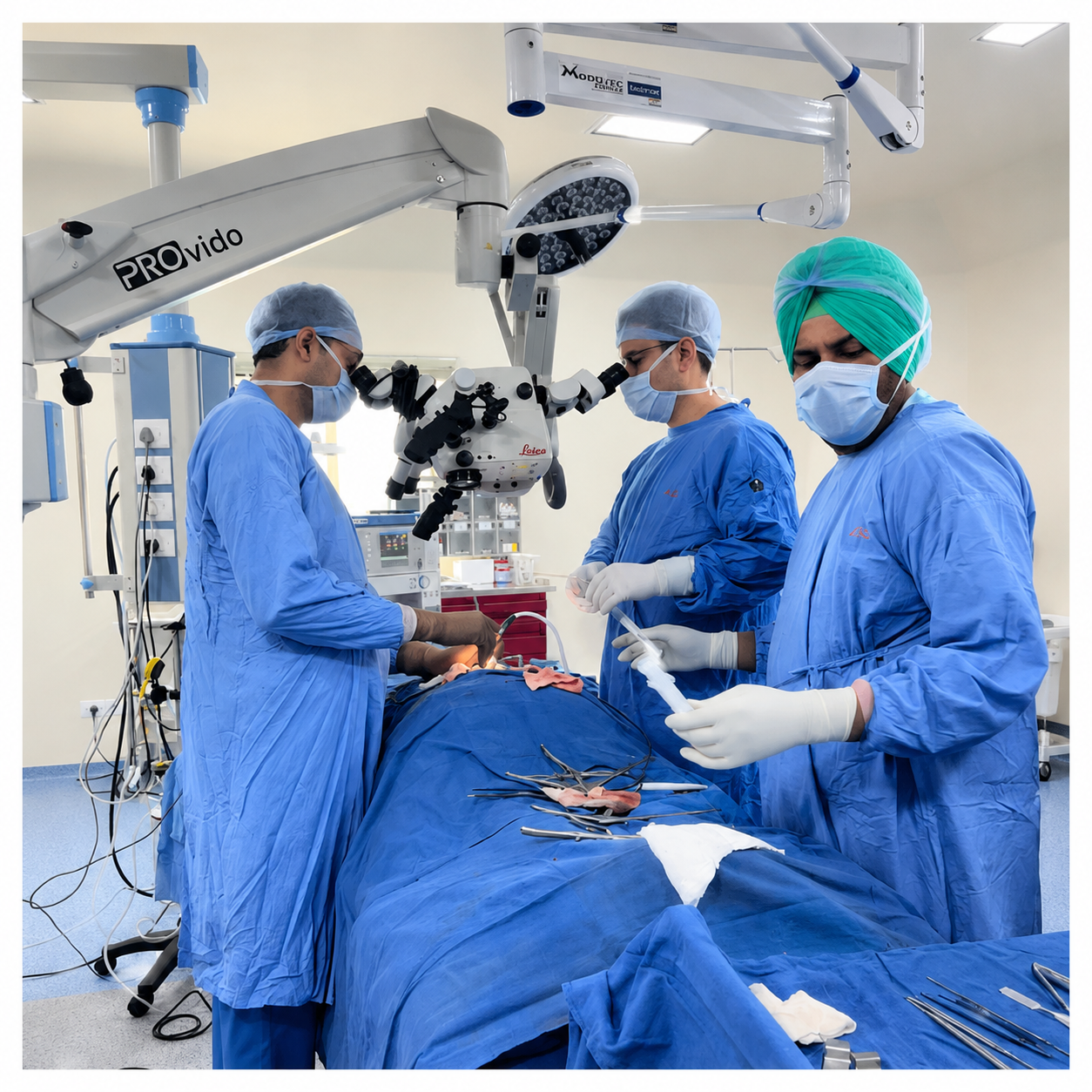
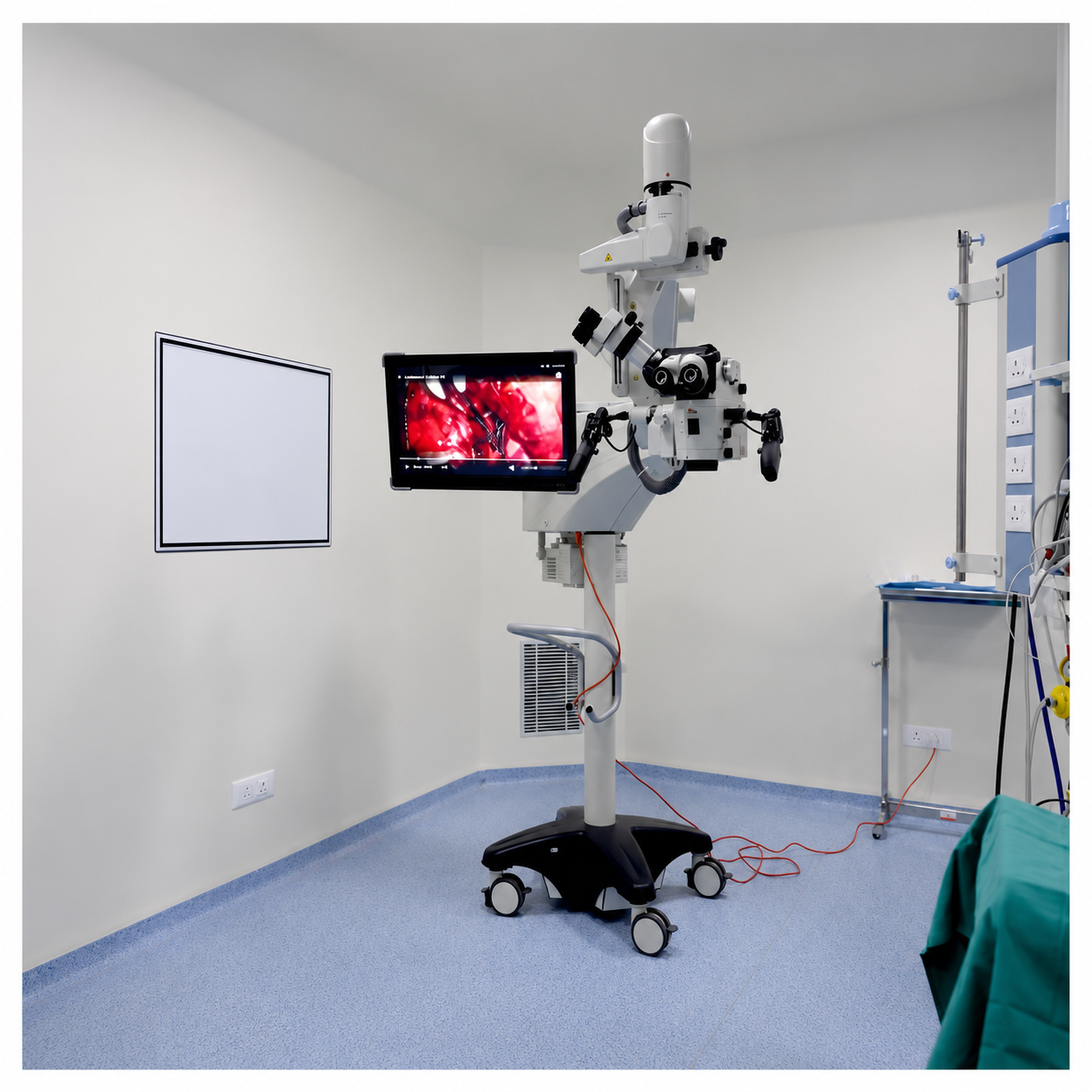
Left: Common warning signs of brain cancer | Right: Advanced MRI imaging for brain tumor detection
Persistent Headaches
Headaches that worsen over time or are different from usual patterns
Seizures
New-onset seizures in adults without prior history
Vision Changes
Blurred vision, double vision, or loss of peripheral vision
Difficulty Speaking
Slurred speech or trouble finding the right words
Memory Problems
Difficulty remembering recent events or processing information
Personality Changes
Unexplained mood swings, irritability, or behavioral changes
Balance Issues
Difficulty walking, dizziness, or loss of coordination
Weakness in Limbs
Numbness or weakness in arms or legs, usually on one side
Nausea & Vomiting
Unexplained nausea and vomiting, especially in the morning
What Are the 7 Warning Signs of Brain Cancer?
- Persistent or worsening headaches
- New-onset seizures
- Unexplained nausea and vomiting
- Visual changes
- Cognitive or personality shifts
- Weakness or numbness
- Balance or coordination problems
While these symptoms do not automatically indicate brain cancer, medical evaluation is important when symptoms persist or worsen. Persistent neurological symptoms should always be evaluated by a healthcare professional.
Recent Advances and Innovations in Brain Tumour Treatment
In recent years, there have been several advancements in the way brain tumours are diagnosed and treated. These innovations aim to make treatments more precise, reduce side effects, and improve overall outcomes. Here are the most promising developments:
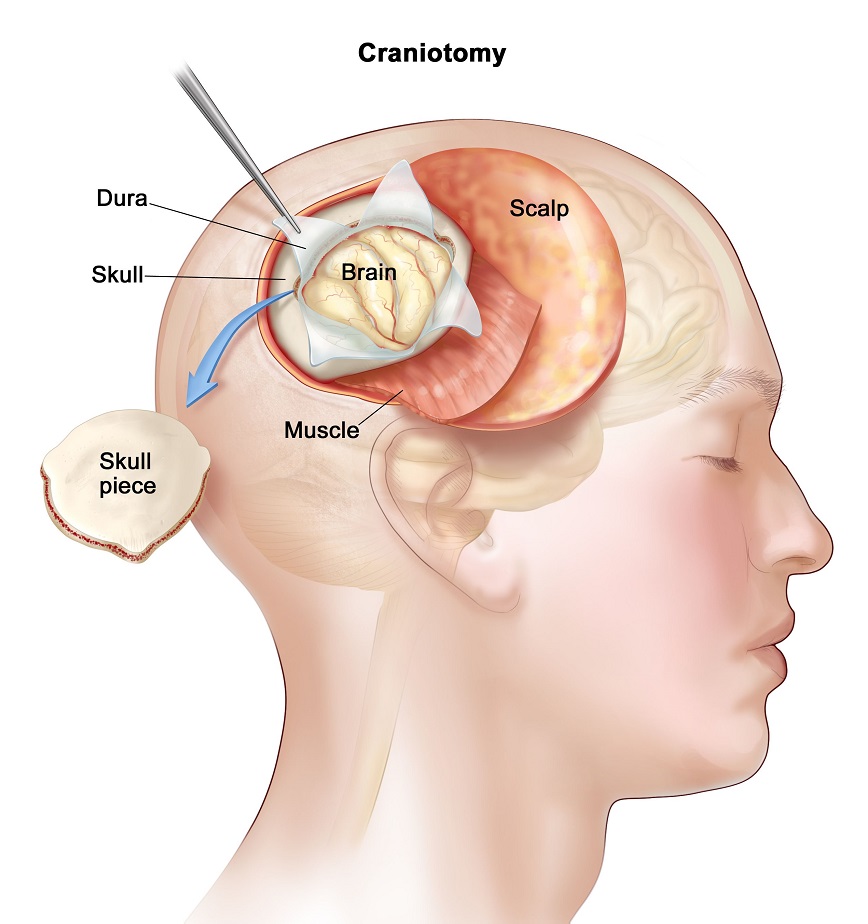
Advanced craniotomy procedure for brain tumor removal
Image-Guided Surgery
Modern imaging techniques now allow surgeons to view the tumour in great detail during surgery. Tools like intraoperative MRI and neuronavigation systems support safer and more effective procedures.
Proton Therapy
Proton therapy uses proton beams instead of traditional X-rays, directed more precisely to the tumour, protecting nearby healthy tissues. Especially useful for brain tumours in children.
Targeted Drug Therapy
Targeted drugs act specifically on identified genetic changes in brain tumours, working differently from standard chemotherapy with potentially fewer side effects.
Tumour Treating Fields (TTF)
This non-invasive wearable device uses low-intensity electric fields to interfere with cancer cell division and slow tumour growth, used alongside chemotherapy for glioblastoma.
Liquid Biopsy
Liquid biopsy detects tumour DNA in blood or spinal fluid, offering a less invasive way to monitor the tumour's progress and treatment effectiveness without surgery.
These developments offer hope for more effective and less harmful treatment options in the future. Continuous research and clinical trials are essential for bringing these innovations to patients worldwide.
Expert Neurosurgical Insights
Advanced brain and spine surgery experts delivering minimally invasive and critical care. Here are leading specialists in the field:

Dr. Varun Aggarwal
MCh (Neurosurgery)
Neurosurgery: brain & spine tumors, trauma, minimally invasive spine procedures

Dr. Amit Narang
MCh (Neurosurgery)
Neurosurgery: brain & spine tumors, degenerative spine disease, neurotrauma, stroke surgery
These specialists represent the cutting edge of neurosurgical care, combining advanced techniques with compassionate patient-centered treatment. Their expertise spans from complex tumor resections to minimally invasive procedures that reduce recovery time and improve outcomes.
World Brain Tumor Day 2026: Myths vs Facts
Misinformation about brain tumors can lead to delayed diagnosis and unnecessary fear. Let us separate the myths from the facts to promote better understanding and awareness.
| Myth | Fact |
|---|---|
Every headache means a brain tumor |
Most headaches have other causes such as stress, dehydration, or tension |
All brain tumors are cancerous |
Many brain tumors are benign (non-cancerous) and can be successfully treated |
Brain tumors affect only older adults |
They can occur at any age, including children and young adults |
Brain tumors are always hereditary |
Most cases are not inherited; only a small percentage have genetic links |
Stress causes brain tumors |
No proven direct scientific evidence exists linking stress to brain tumor development |
Spreading accurate information is one of the most powerful ways to support World Brain Tumor Day and help those affected by this condition. Share these facts with your community to combat misinformation.
How People Observe World Brain Tumor Day 2026
Communities worldwide participate in World Brain Tumor Day through various activities and initiatives. Here is how you can get involved:
Awareness Campaigns
Spread information through social media, posters, and community events
Educational Seminars
Attend or organize talks by medical professionals about brain tumor awareness
Fundraising Events
Support research organizations through charity runs, auctions, and donations
Hospital Outreach
Volunteer at hospitals and support patient care programs
Community Health
Participate in free health screenings and wellness programs
Patient Support
Offer emotional support to patients and caregivers in your community
Social Media
Use hashtags like #WorldBrainTumorDay to amplify awareness globally
Wear Gray Ribbon
Gray is the official awareness color for brain tumors — show your support
How You Can Support Brain Tumor Awareness
- Learn about symptoms — Educate yourself and others about early warning signs
- Share reliable information — Use verified sources when discussing brain tumors online
- Support patients and caregivers — Offer practical help and emotional support
- Participate in awareness campaigns — Join local and global initiatives
- Donate to research organizations — Fund critical research for better treatments
- Encourage early medical evaluation — Promote timely check-ups for concerning symptoms
Frequently Asked Questions (FAQ)
Get answers to the most commonly asked questions about brain tumors and World Brain Tumor Day.
Yes. World Brain Tumor Day is observed annually on June 8. It has been celebrated since 2000 when it was first introduced by the German Brain Tumor Association.
Gray is widely recognized as the awareness ribbon color for brain tumors. Many participants wear gray ribbons to show support for brain tumor awareness on World Brain Tumor Day.
No. Many brain tumors are benign (non-cancerous), although they can still cause serious health problems depending on their size and location. However, malignant brain tumors are cancerous and require aggressive treatment.
Some brain tumors can be successfully treated or removed, while others require long-term management. Outcomes depend on the tumor type, stage, location, and the patient's overall health. Early detection significantly improves treatment success rates.
Glioblastoma remains difficult to cure, but advances in treatment continue to improve survival and quality of life for some patients. Treatment typically involves a combination of surgery, radiation, and chemotherapy. Research into new therapies offers hope for better outcomes.
A stage 3 brain tumor — often referred to medically as a Grade 3 tumor — is a malignant, high-grade cancer. It consists of actively reproducing, abnormal-looking cells that grow quickly, invade surrounding healthy brain tissue, and require aggressive medical treatment including surgery, radiation, and chemotherapy.
World Brain Tumor Day is observed annually on June 8th to raise public awareness and support patients and their families. In 2026, it falls on Monday, June 8.
The World Brain Tumor Day 2026 theme is "A Closer Look". It focuses on early detection, reducing the diagnostic gap, and improving access to brain tumor screening in underserved regions.
Conclusion
World Brain Tumor Day 2026 serves as a global reminder of the importance of awareness, early diagnosis, patient support, and medical research. Although brain tumors remain among the most challenging neurological conditions, advances in surgery, imaging, targeted therapy, and precision medicine continue to improve outcomes and offer hope for patients and families around the world. By recognizing symptoms, supporting those affected, and promoting research, every individual can play a role in improving the future of brain tumor care.