
World Cancer Day 2026: Awareness, Prevention & Treatment
Learn cancer prevention, early detection, and treatment options for a healthier life.
World Cancer Day 2026: Cancer Awareness, Prevention & Advanced Treatment in Bathinda
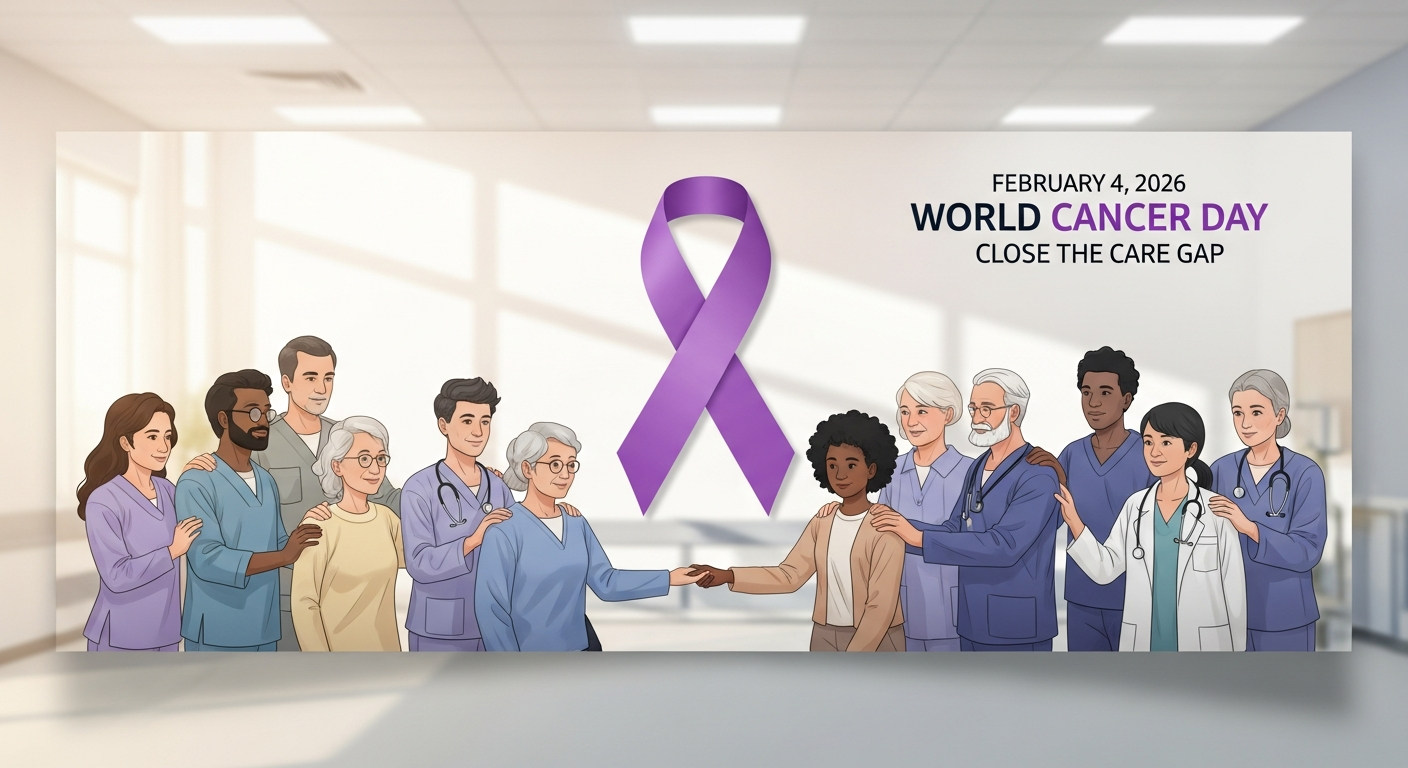
World Cancer Day 2026 will be observed on 4 February to raise global awareness about cancer prevention, early cancer detection, and improved access to cancer treatment. This international campaign highlights the importance of regular cancer screening, lifestyle changes, and timely medical intervention to reduce cancer-related deaths worldwide..
Cancer remains one of the leading causes of mortality globally. However, early diagnosis through routine cancer screening and modern oncology services can significantly improve survival rates and treatment outcomes. Raising cancer awareness empowers individuals to recognize early warning signs and seek medical care before the disease progresses.
At Pragma Hospital, Bathinda, we are committed to providing comprehensive oncology services, advanced cancer treatment, and patient-centered care. On this World Cancer Day 2026, our mission is to educate communities, debunk common myths about cancer, promote preventive health checkups, and offer access to advanced diagnostic and treatment facilities under expert medical supervision.
Through awareness programs, early detection initiatives, and personalized treatment plans, we aim to strengthen the fight against cancer and support patients at every stage of their journey.
What Is Cancer?
Cancer is a serious medical condition characterized by the uncontrolled growth of abnormal cells in the body. These cells can invade nearby tissues and spread to other organs through the bloodstream or lymphatic system, a process known as metastasis. Early diagnosis and timely cancer treatment play a crucial role in improving survival rates and reducing complications.
There are more than 100 types of cancer, and symptoms, progression, and treatment options vary depending on the type and stage of the disease. Common types of cancer include:
- Breast cancer
- Lung cancer
- Colorectal cancer
- Prostate cancer
- Skin cancer
- Blood cancers such as leukemia, lymphoma, and myeloma
Cancer can affect people of all ages and backgrounds. Increasing cancer awareness, understanding early warning signs, and participating in regular cancer screening programs are essential for prevention and early detection. At Pragma Hospital, we provide comprehensive oncology services , advanced cancer diagnosis, and personalized treatment plans to support patients at every stage of their journey.
World Cancer Day 2026 Theme
This year 2026, the World Cancer Day theme is "United by Unique". It defines the crucial role of personalized, patient-centered care in the fight against cancer. It highlights the importance of adapting cancer treatments to cater to the unique needs of each individual.
Year by year themes of World Cancer Day:
- World Cancer Day Theme 2025: United by Unique
- World Cancer Day Theme 2024: Close the Care Gap
- World Cancer Day Theme 2023: Close the Care Gap
- World Cancer Day Theme 2022: Close the Care Gap
Aligned with the "United by Unique" theme, Pragma Hospital’s oncology department focuses on customized cancer care, ensuring that every patient receives treatment tailored to their unique medical and emotional needs.
The Importance of World Cancer Day
World Cancer Day serves several key purposes:
- Awareness: Educating the public about cancer symptoms, risk factors, and the importance of early detection.
- Prevention: Encouraging healthy lifestyle choices to reduce the risk of developing cancer.
- Support: Promoting care and support for patients, survivors, and their families.
- Global Action: Encouraging governments, healthcare organizations, and communities to prioritize cancer care.
The theme for World Cancer Day 2026 focuses on “Close the Care Gap”, emphasizing the need for equitable access to cancer prevention, diagnosis, and treatment worldwide.
Common Myths About Cancer
Despite advances in medical science, cancer is still surrounded by myths and misconceptions. Let’s debunk some of the most common myths:
Fact: Many cancers are treatable and even curable, especially when detected early. Advances in chemotherapy, surgery, radiation, immunotherapy, and targeted therapy have improved survival rates significantly.
Fact: Cancer is not contagious. You cannot catch cancer from touching someone, sharing utensils, or close contact-pragma-hospital-bathinda.
Fact: While cancer risk increases with age, it can affect any age group, including children and young adults.
Fact: Modern cancer treatments focus on patient comfort, minimizing side effects, and maintaining quality of life. Pain management and supportive care are integral parts of therapy.
Fact: Cancer can affect anyone, even those who maintain a healthy lifestyle. However, healthy habits can reduce risk and improve outcomes.
Causes and Risk Factors for Cancer
Cancer occurs due to changes in the DNA of cells, which can be triggered by multiple factors. While some causes are genetic, lifestyle and environmental factors play a significant role.
Major Risk Factors Include:
- Tobacco use: Leading cause of lung, mouth, throat, and bladder cancers.
- Alcohol consumption: Increases risk of liver, breast, and digestive tract cancers.
- Poor diet: High-fat, processed foods, and low fruit/vegetable intake can increase risk.
- Obesity: Linked to breast, colon, and kidney cancers.
- Environmental exposures: Radiation, pollution, and chemicals can contribute to cancer.
- Genetics: Family history can increase susceptibility to certain cancers.
- Infections: HPV, Hepatitis B and C, and H. pylori are linked to specific cancers.
Understanding these risk factors helps individuals make informed choices and adopt preventive strategies.
Signs and Symptoms of Cancer
Early detection is crucial for successful treatment. Symptoms vary depending on the type of cancer, but common warning signs include:
- Unexplained weight loss
- Persistent fatigue
- Unusual lumps or swelling
- Changes in skin or moles
- Persistent cough or hoarseness
- Difficulty swallowing
- Changes in bowel or urinary habits
- Unexplained bleeding
If you notice any persistent or unusual symptoms, it is essential to consult a healthcare professional promptly at a Cancer Care Hospital in bathinda.

Cancer Prevention Tips
While not all cancers can be prevented, lifestyle choices and regular screenings can significantly reduce risk:
- Avoid Tobacco and Limit Alcohol: Tobacco is the leading cause of preventable cancer.
- Healthy Diet: Emphasize fruits, vegetables, whole grains, and lean proteins.
- Regular Exercise: Physical activity reduces risk of multiple cancers.
- Maintain Healthy Weight: Obesity is linked to several cancer types.
- Vaccinations: HPV and Hepatitis B vaccines reduce infection-related cancers.
- Sun Protection: Use sunscreen and protective clothing to prevent skin cancer.
- Regular Screenings: Mammograms, colonoscopies, Pap smears, and other screenings help detect cancer early.
Understanding Common Types of Cancer
To help you understand these common types of cancer, here is a breakdown of where they start and the warning signs to watch for. Early detection is often the most critical factor in successful treatment.
1. Blood Cancer
Unlike most other cancers, blood cancer usually does not form a solid tumor. It starts in the bone marrow or the lymphatic system and affects how your blood cells function.
Types: Leukemia, Lymphoma, and Myeloma.
Common Signs: Persistent fatigue, frequent infections, unexplained bruising, or night sweats.
2. Breast Cancer
This occurs when cells in the breast begin to grow out of control, usually forming a tumor that can be felt as a lump. While much more common in women, men can also develop breast cancer.
Warning Signs: A new lump in the breast or underarm, thickening or swelling, skin dimpling (like an orange peel), or redness/flaky skin around the nipple.
3. Lung Cancer
Lung cancer is one of the leading causes of cancer-related deaths worldwide. It typically starts in the cells lining the air passages.
Risk Factors: Primarily smoking is the risk factor of this cancer (including secondhand smoke), but it also affects non-smokers due to environmental toxins like radon.
Warning Signs: A persistent cough that worsens, chest pain, shortness of breath, or coughing up blood.
4. Oral Cancer
This affects the mouth and the back of the throat. It can develop on the tongue, the tissue lining the mouth and gums, under the tongue, or at the base of the tongue.
Warning Signs: Red or white patches inside the mouth, a sore that doesn't heal, or unexplained bleeding and numbness in the mouth.
5. Colorectal Cancer
Also known as bowel cancer, this starts in the colon or the rectum. Most cases begin as small growths called polyps, which can eventually turn into cancer.
Warning Signs: Changes in bowel habits (diarrhea or constipation) lasting for days, blood in the stool, abdominal cramping, and unexplained weight loss.
Treatment Options for Cancer
Modern cancer treatment has evolved from general approaches to highly precise, personalized care. Doctors often combine multiple methods to attack cancer from different angles.
1. Surgery, Chemotherapy, and Radiation Therapy
These are the "traditional" pillars of cancer treatment. They aim to physically remove or directly destroy cancer cells.
- Surgery: Often the first line of defense for solid tumors. The goal is to remove the entire tumor and some surrounding healthy tissue.
- Chemotherapy: Uses powerful drugs to kill fast-growing cells throughout the body. It is systemic and effective for cancer that has spread.
- Radiation Therapy: Uses high-energy beams to damage the DNA of cancer cells in a specific area, preventing them from dividing.
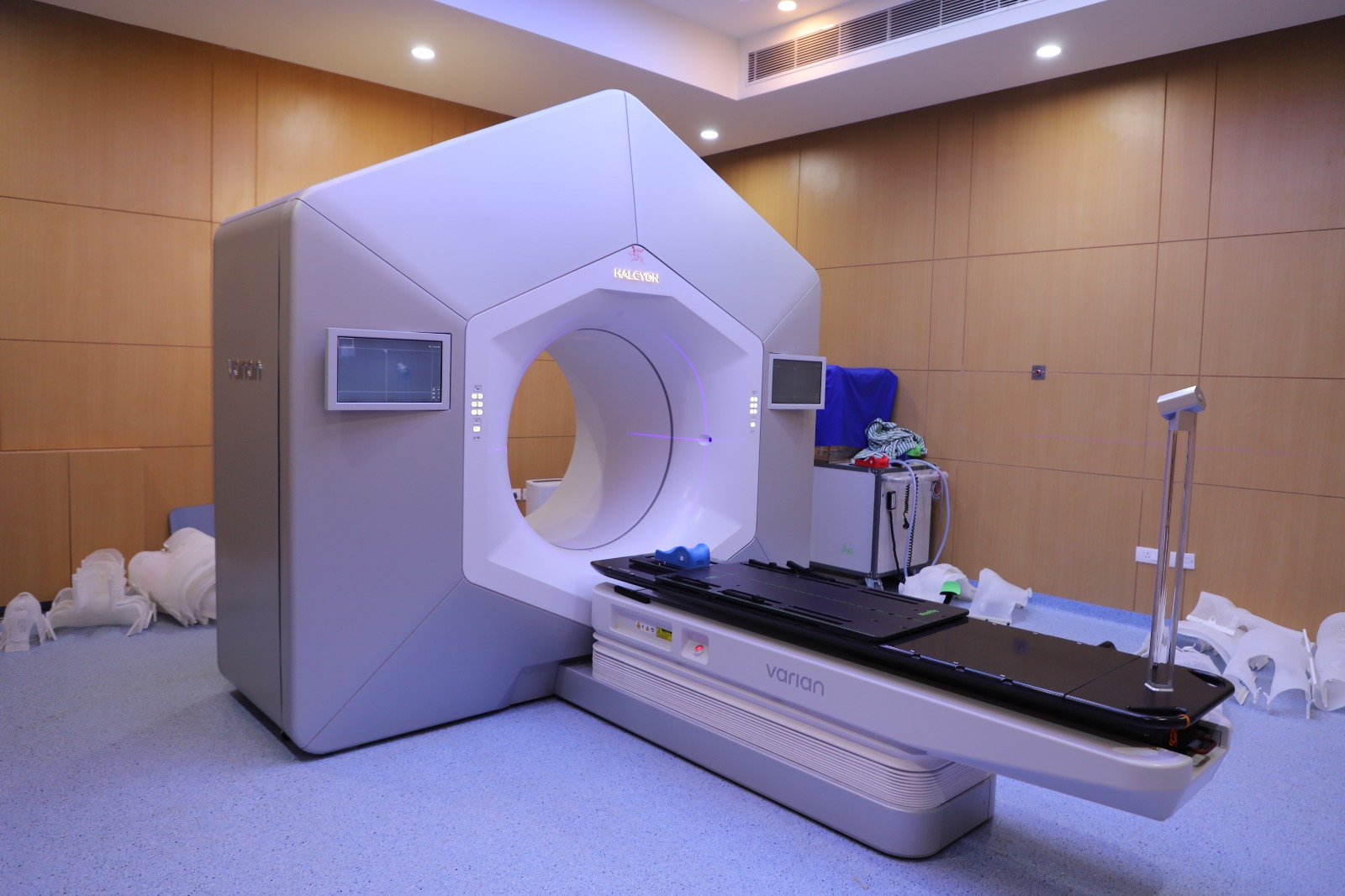
At Pragma Hospital, we use advanced medical technology for Cancer diagnosis and treatment and Advance Cancer treatment.
Living with Cancer: Support for Patients and Families
A cancer diagnosis affects not only patients but also families. Support systems and counseling are vital for mental and emotional well-being:
- Psychological counseling for patients and caregivers
- Support groups and survivor networks
- Nutritional guidance and lifestyle counseling
- Education about treatment side effects and coping strategies
Pragma Hospital ensures patient-centric cancer care that addresses both medical and emotional needs.
Importance of Early Cancer Detection and Screening
Early cancer detection is one of the most powerful strategies in reducing cancer-related deaths. When cancer is diagnosed at an early stage, treatment becomes more effective, less aggressive, and survival rates significantly improve. Regular cancer screening and routine health checkups help identify abnormalities before symptoms appear.
Different types of cancer have proven screening methods that support early diagnosis and prevention:
- Breast cancer: Regular mammograms can detect tumors before they become palpable, increasing the chances of successful treatment.
- Colorectal cancer: Colonoscopy helps detect precancerous polyps early, preventing cancer development.
- Cervical cancer: Pap smear and HPV testing are highly effective in identifying abnormal cell changes before they progress.
- Lung cancer: Low-dose CT scans for high-risk individuals improve early detection and survival outcomes.
Combining timely cancer screening with healthy lifestyle choices such as balanced nutrition, regular exercise, and avoiding tobacco significantly lowers cancer risk. Early diagnosis not only improves survival rates but also reduces the emotional, physical, and financial burden associated with advanced-stage cancer treatment.
World Cancer Day 2026: How You Can Make a Difference
Even if you are not personally affected by cancer, you can contribute to awareness and prevention:
- Share accurate information on social media
- Encourage friends and family to undergo screenings
- Volunteer or donate to cancer support organizations
- Participate in community awareness programs
- Advocate for equitable healthcare access
Together, we can create a cancer-aware world that supports patients and promotes early detection and treatment.
Conclusion
World Cancer Day 2026 reminds us that cancer is not just a medical condition but a global health challenge affecting individuals, families, and communities. Increasing cancer awareness, focusing on early cancer detection, and promoting cancer prevention are essential steps in reducing cancer-related deaths.
At Pragma Hospital, we are committed to delivering advanced cancer treatment, expert oncology care, and compassionate patient support. Through regular cancer screening, accurate diagnosis, and modern treatment options, we aim to improve survival rates and enhance the quality of life for cancer patients.
Let this World Cancer Day 2026 be a reminder: Early detection saves lives. Awareness empowers communities. Timely treatment heals.