World Hemophilia Day: Awareness, Causes, and Treatment
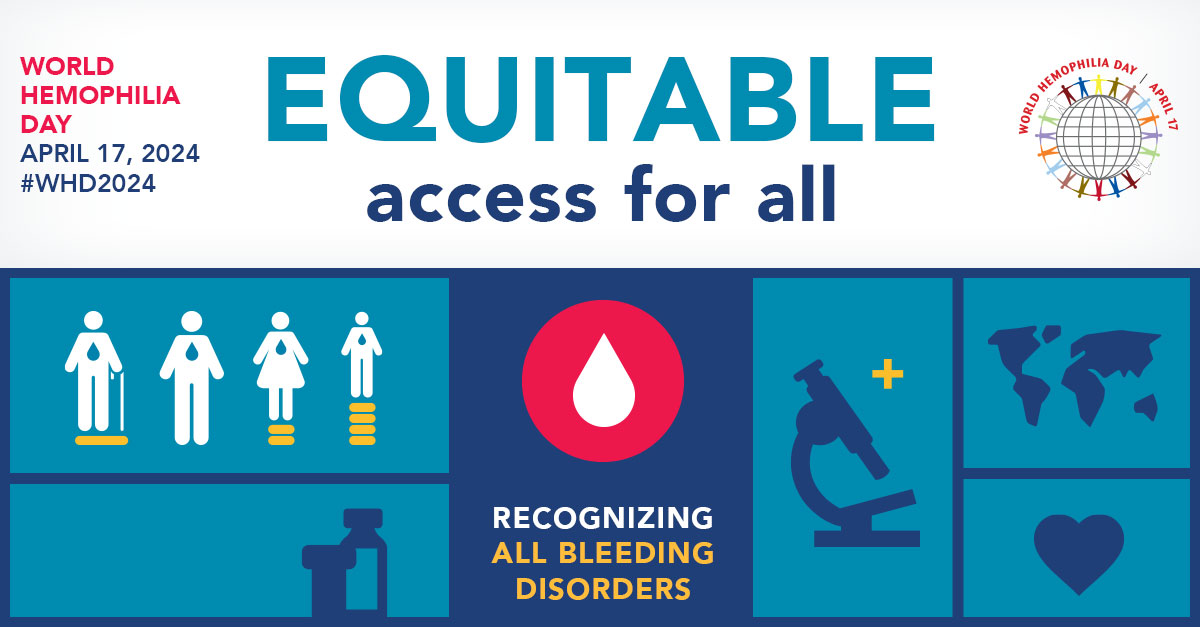
A simple papercut completely stops bleeding after applying slight physical pressure for five minutes normally. The human body naturally builds a microscopic dam to prevent massive fluid loss. Commemorating World Hemophilia Day 2026 on 17 April 2026 exposes the terrifying reality for patients lacking this vital biological capability.
Learn About Hemophilia
Their blood simply refuses to clot properly. A minor internal bump causes catastrophic swelling rapidly. Specialists in Haematology understand that external cuts rarely pose the greatest medical danger today. The real terror hides completely invisibly inside their major joints and fragile internal organs continuously.
Modern hemophilia management transforms a previously fatal childhood disease into a highly manageable chronic condition. Science provides brilliant synthetic replacement proteins today. Proper hemophilia care allows these vulnerable patients to live incredibly active, completely normal lives. We must replace what their broken genetics forgot.
What is Hemophilia?

Hemophilia is a rare genetic bleeding disorder where a person's blood does not clot properly. This happens because their blood lacks certain proteins called clotting factors, which are essential to stop bleeding. Without these proteins, even minor injuries can cause excessive bleeding, both externally and internally.

Types of Hemophilia
Hemophilia A
Caused by a deficiency of clotting factor VIII, making it harder for blood to clot. This is the most common type, affecting about 80% of hemophilia patients.
Hemophilia B
Caused by a lack of clotting factor IX, leading to prolonged bleeding. Also known as Christmas disease, it affects about 20% of patients.
Both types show similar symptoms but require tailored treatments.
World Haemophilia Day Theme 2026
"Diagnosis: First Step to Care."
Announced by the World Federation of Hemophilia, the theme highlights the importance of early and accurate diagnosis for people living with haemophilia and other inherited bleeding disorders. Many individuals around the world remain undiagnosed, which delays treatment and increases the risk of complications. The 2026 theme encourages greater awareness of bleeding disorders, improved access to diagnostic testing, and earlier medical evaluation so that affected individuals can receive timely care and appropriate treatment.
Symptoms of Hemophilia
Symptoms of hemophilia can vary depending on the severity of the disorder. Key signs include:

Easy or excessive bruising
Minor bumps can cause large, deep bruises because the blood does not clot quickly.
Prolonged bleeding
Small wounds or cuts can continue bleeding longer than usual, increasing risk of complications.
Nosebleeds
Frequent spontaneous nosebleeds occur due to fragile blood vessels and slow clot formation without clear reason.
Joint swelling and pain
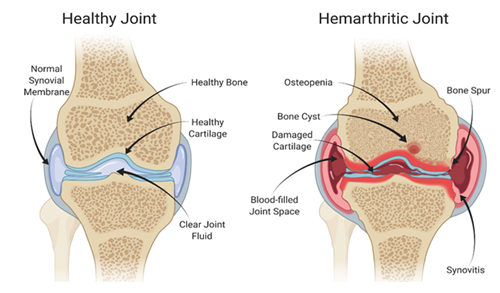
Internal bleeding in joints (knees, elbows, ankles) leads to swelling, stiffness, and discomfort (hemophilia joint pain).
Blood in urine or stool
Indicates possible internal bleeding in kidneys or digestive system; requires urgent medical attention.
Unexplained fatigue
Ongoing bleeding reduces red blood cells, leading to tiredness and weakness due to blood loss.
What are the Early Signs of Hemophilia?
The early signs of haemophilia often appear during infancy or early childhood, especially when a child begins crawling, walking, or becoming more physically active. Because the blood does not clot normally, even minor injuries can lead to bleeding that lasts longer than expected.

- Frequent or unexplained bruising, especially large bruises that appear after minor bumps
- Prolonged bleeding from small cuts or injuries that takes longer than usual to stop
- Bleeding after vaccinations, injections, or minor medical procedures
- Swelling, pain, or stiffness in joints, which may occur due to bleeding inside the joints
- Frequent nosebleeds that are difficult to control
- Bleeding from the gums, particularly during teething or dental care
- Blood in urine or stool, which may appear as a sign of internal bleeding
- Excessive bleeding after circumcision or surgery
In many cases, these symptoms become noticeable when bleeding occurs repeatedly or takes an unusually long time to stop.
Treatment Options for Hemophilia
Although there is no permanent cure for hemophilia yet, proper management can significantly improve quality of life. Effective hemophilia treatment in Bathinda includes the following options:

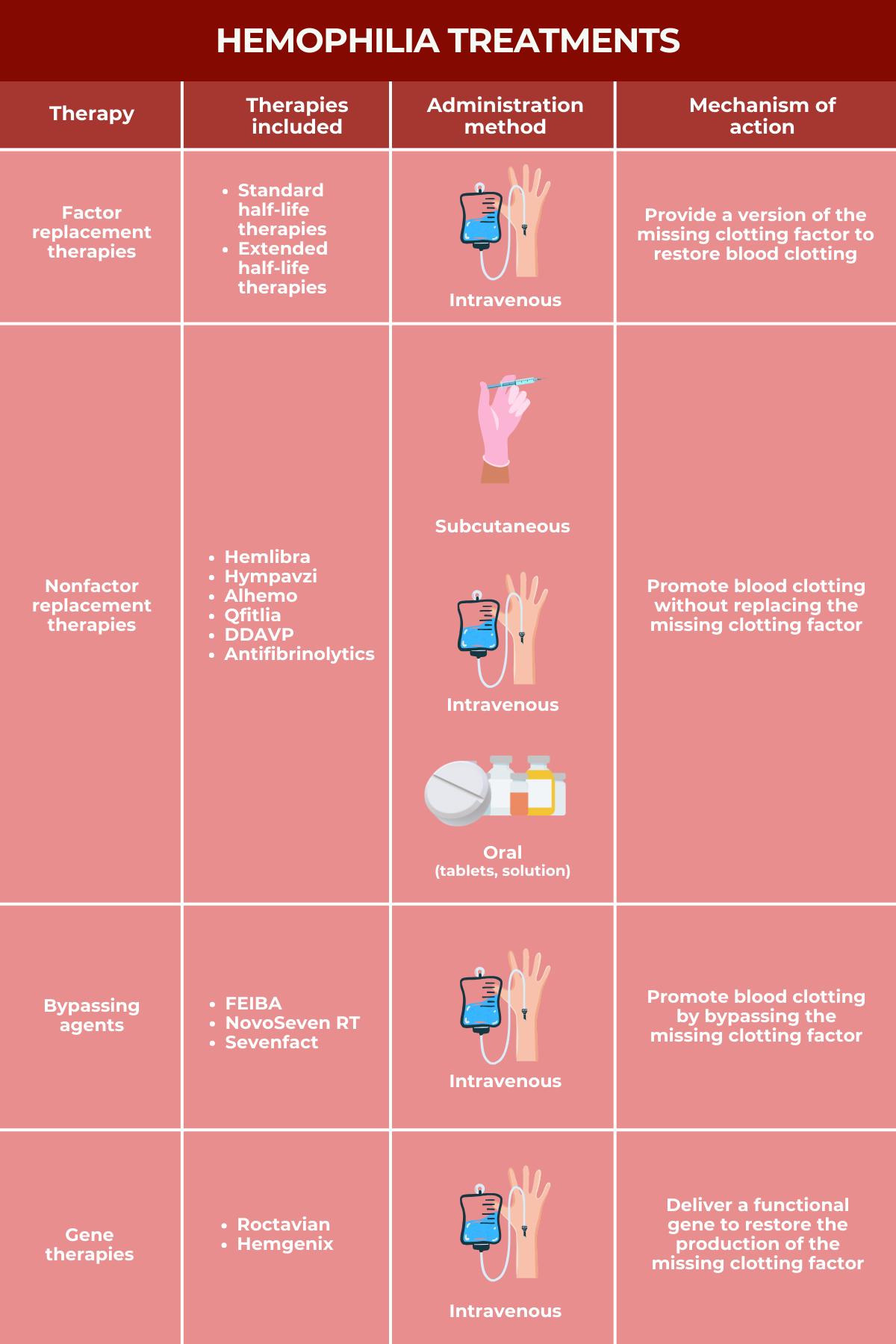
Factor Replacement Therapy
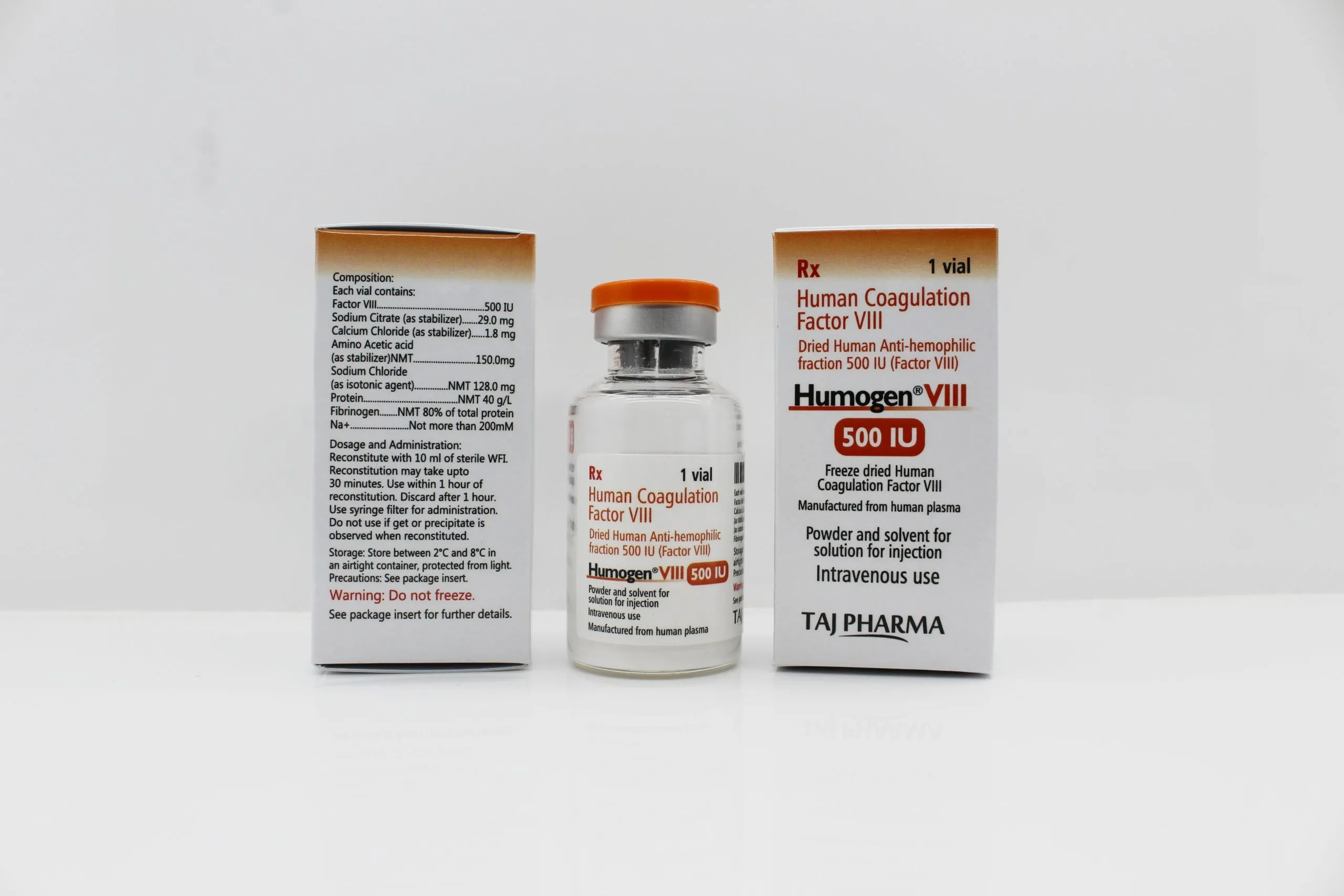
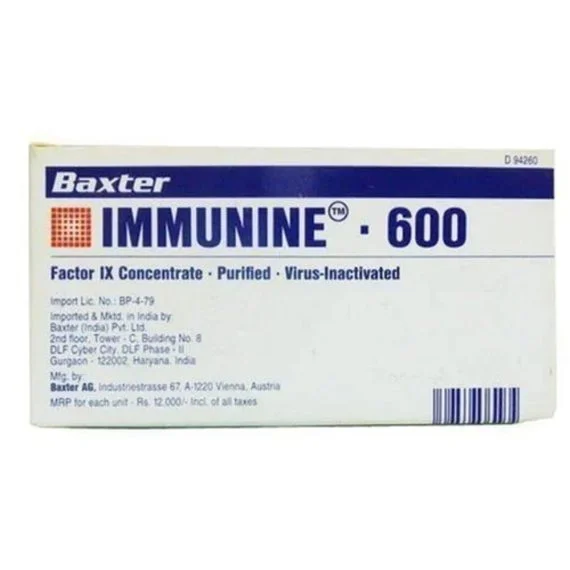
The most common and effective treatment. Provides missing clotting factors (factor VIII or IX) through injections, either regularly or during episodes.
Medications
Desmopressin (DDAVP) for mild hemophilia A and Antifibrinolytic medicines to prevent clots from breaking down too quickly.
Physical Therapy
Protects joints from damage, improves mobility, strengthens muscles, and reduces chronic pain associated with internal bleeding.
Lifestyle Measures
Avoid contact sports, maintain a healthy diet and optimal weight, and promptly address injuries to prevent prolonged bleeding.
Advanced Treatments
Gene Therapy aims to correct defective genes, while Clinical Trials provide access to innovative therapies for long-term outcomes.
What Causes Hemophilia?
Haemophilia develops due to changes in genes that control the production of clotting factors in the blood. When the body produces very low levels of a clotting factor, the clotting process becomes slower and bleeding can continue for a longer time. In most cases, the condition is present from birth and is linked to inherited genetic changes.
- Inherited gene mutation: Passed from parent to child through an altered gene affecting clotting factor production.
- X chromosome-linked inheritance: Located on the X chromosome; males with a single affected gene will have the condition.
- Carrier status in females: Females may carry the gene without symptoms but can pass it to children.
- New genetic mutation: Appears in a child with no family history due to a new genetic change during development.

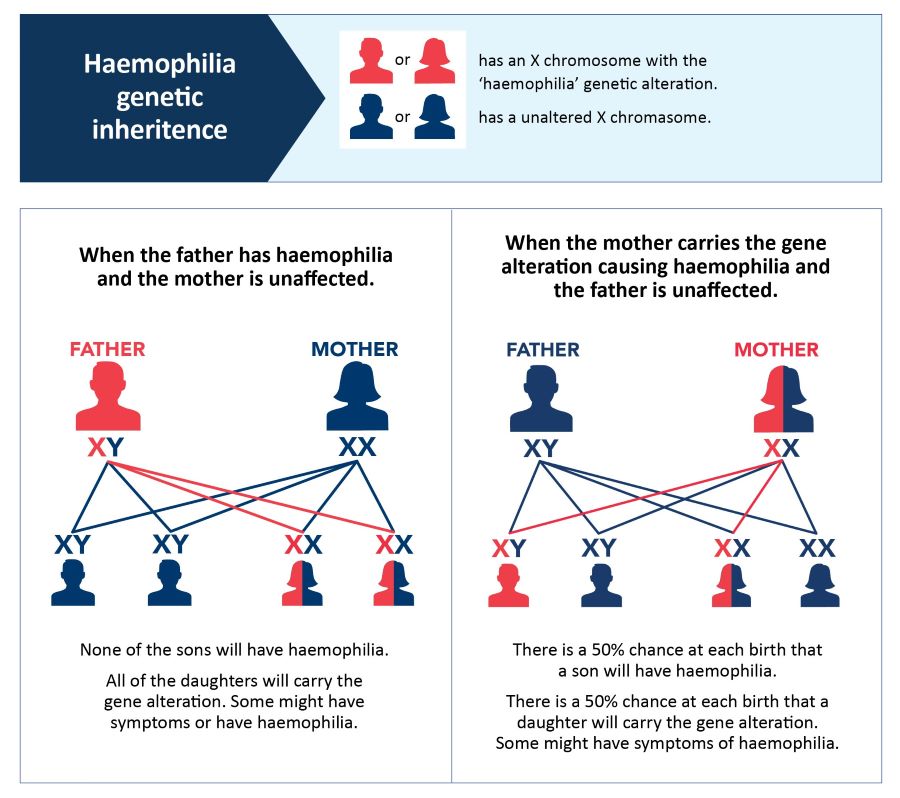
Understanding genetic inheritance helps families make informed decisions about family planning and early diagnosis.
How is Hemophilia Managed?
Management of haemophilia focuses on preventing bleeding episodes, controlling bleeding when it occurs, and protecting joints from long term damage. Common approaches used include:
Clotting Factor Replacement
Restores missing factors through injections into a vein during episodes or before medical procedures.
Preventive Treatment
Regular clotting factor infusions to maintain blood levels, reducing bleeding frequency and protecting joints.
Monoclonal Antibody Therapy
Newer under-the-skin injection for haemophilia A that mimics clotting factors, lowering the risk of joint damage.
Conclusion
World Hemophilia Day 2026 reminds us of the critical importance of awareness, early diagnosis, and effective hemophilia treatment. By promoting education, supporting medical advancements, and encouraging community involvement, patients can lead healthy and fulfilling lives despite the challenges of this inherited bleeding disorder.
Raising awareness about hemophilia symptoms and ensuring access to hemophilia treatment in Bathinda are vital steps toward better care and prevention. Sharing knowledge, supporting patients, and advocating for research can help create a world where hemophilia is well-understood and effectively managed.
By recognizing the signs early, adhering to treatment plans, and spreading awareness, we can make a meaningful difference in the lives of those affected by hemophilia.