
World Kidney Day 2026: Theme, Date, Importance & Kidney Health Tips
Kidney Health for All: Caring for People, Protecting the planet
World Kidney Day 2026 will be observed on 12 March 2026, drawing global attention to the growing burden of kidney disease. This year’s theme, “Kidney Health for All: Caring for People, Protecting the Planet,” emphasizes early detection, equal access to kidney care, and the importance of sustainable healthcare practices.With kidney disease affecting millions worldwide and often progressing silently without noticeable symptoms, awareness and timely screening have never been more important. Understanding the theme, its significance, and practical kidney health tips can help individuals take preventive action before complications develop.
The Theme for World Kidney Day 2026
The theme for World Kidney Day 2026 is “Kidney Health for All – Caring for People, Protecting the Planet”.
This theme expands the conversation beyond individual health to include environmental sustainability. It highlights how climate change, rising temperatures, pollution, and environmental toxins can increase the risk of kidney injury and chronic kidney disease. For example, prolonged heat exposure can lead to dehydration and heat stress, placing strain on the kidneys. Similarly, air and water pollution may contribute to kidney damage over time.
The theme also calls on healthcare systems to adopt sustainable practices. Treatments like dialysis require significant water, electricity, and medical resources. The campaign encourages innovation and eco-conscious healthcare practices to reduce the environmental footprint while ensuring quality patient care. In essence, protecting kidney health and protecting the planet go hand in hand.
✔ Sustainable practices protect future generationsn
✔ Equal access ensures better health outcomes
History and Significance of World Kidney Day
World Kidney Day was first observed in 2006 as a joint initiative by the International Society of Nephrology (ISN) and the International Federation of Kidney Foundations (IFKF). The aim was to raise awareness about kidney health and promote preventive measures to reduce the burden of kidney disease worldwide. Since then, it has been observed every year on the second Thursday of March, bringing global attention to the importance of early detection, treatment, and lifestyle changes that support kidney health.
The significance of World Kidney Day lies in its role in addressing the growing prevalence of kidney disease. With millions affected globally and many cases going undiagnosed, this initiative focuses on educating the public, encouraging regular testing, and advocating for better healthcare policies. Each year, the campaign follows a specific theme that highlights key aspects of kidney health, aiming to reduce the impact of kidney-related conditions on individuals and healthcare systems
Who Should Get Their Kidneys Tested?
Kidney disease often develops silently, making regular testing essential for those at higher risk. Testing is particularly important for:
- People with diabetes or high blood pressure – These are the leading causes of kidney disease. Routine screening helps detect changes before significant harm occurs.
- Family history of kidney disease – Genetic factors can increase susceptibility. Regular check-ups are strongly advised.
- Heart disease or history of stroke – Poor heart function can increase kidney-related risks.
- Age above 60 – Kidney function naturally declines with age. Early testing ensures better management.
- Overweight or obese individuals – Increased risk of diabetes and hypertension can impact kidney health.
- Recurrent infections or kidney stones – Frequent issues can cause long-term kidney damage.
- Long-term medication use – Certain medicines may strain the kidneys over time.
Even without these risk factors, occasional testing supports early detection and protects long-term kidney health.
How to Celebrate World Kidney Day 2026
Across the world, World Kidney Day 2026 is observed through awareness campaigns, free kidney health screenings, educational seminars, fitness events, and community outreach programs. From hospital-based diagnostic camps to public health workshops, the goal remains the same — promoting early detection and preventing (CKD).
One of the most meaningful ways to participate is by understanding your personal risk for kidney disease. If you have diabetes, high blood pressure, or a family history of kidney problems, scheduling a kidney function test in Bathinda can help detect early signs before complications develop.
Participating in awareness programs strengthens World Kidney Day awareness and encourages communities to adopt preventive kidney health practices.
Early consultation with a qualified Nephrologist in Bathinda allows timely diagnosis, proper management, and prevention of long-term kidney damage. Regular screening and awareness remain the most effective ways to protect kidney health.
The 8 Golden Rules: Essential Kidney Health Tips
According to global kidney health guidelines, following these evidence-based practices can significantly reduce your risk of kidney disease. Small lifestyle changes, regular monitoring, and early medical consultation play a crucial role in preventing (CKD) and maintaining long-term kidney health. These evidence-based kidney health tips can significantly reduce your risk of CKD.
Nearly 50% of individuals with diabetes may develop kidney damage over time. Proper glucose management and regular monitoring through a diabetes and kidney screening program can help prevent CKD progression.
Hypertension is a leading cause of kidney failure. Routine monitoring and consultation with a Kidney specialist in Bathinda can help manage blood pressure effectively and reduce kidney damage risk.
Regular physical activity improves circulation, supports healthy weight management, and reduces strain on the kidneys. A balanced lifestyle plays an important role in kidney disease prevention.
Reducing salt intake, limiting processed foods, and maintaining a healthy body weight can lower kidney stress. Personalized dietary advice from a kidney care clinic in Bathinda can be beneficial for CKD patients.
Adequate hydration helps kidneys remove toxins efficiently and reduces the risk of kidney stones. Patients with advanced kidney disease should follow fluid guidelines advised by their Nephrology Department in Bathinda.
Smoking reduces blood flow to the kidneys and increases the risk of kidney cancer and CKD. Quitting tobacco is a major step toward protecting long-term kidney health.
Frequent use of non-steroidal anti-inflammatory drugs (NSAIDs) like ibuprofen can damage kidney tissues over time. Consult a Kidney hospital in Bathinda for safer alternatives if you suffer from chronic pain.
Routine blood tests such as serum creatinine, GFR, and urine analysis are essential, especially for high-risk individuals. Early detection through structured CKD screening programs can prevent the need for dialysis in the future.
Why Kidney Health is Important
Your kidneys help keep the body running smoothly by removing toxins, balancing fluids, regulating blood pressure, and supporting red blood cell production. When kidney function declines, waste and excess fluids build up in the body, affecting vital organs such as the heart and lungs.
Today, over 850 million people worldwide live with some form of kidney disease, making it one of the fastest-growing chronic health conditions globally. Because kidney damage often develops silently without obvious symptoms, early screening remains the most effective way to detect problems before they become irreversible.
Causes and Risk Factors of Kidney Disease
Kidney disease usually develops gradually rather than suddenly. Understanding the common causes and risk factors helps in early prevention and timely medical intervention.
Daily lifestyle habits also play an important role in kidney health. Factors such as high salt intake, excessive processed food consumption, lack of physical activity, smoking, and long-term tobacco use increase pressure on the kidneys over time.
Individuals with these risk factors should regularly consult a Kidney specialist in Bathinda to prevent progression to advanced Chronic Kidney Disease (CKD). Early lifestyle changes and timely treatment can significantly improve long-term kidney health outcomes.
Advanced Dialysis & Kidney Care Facilities in Bathinda
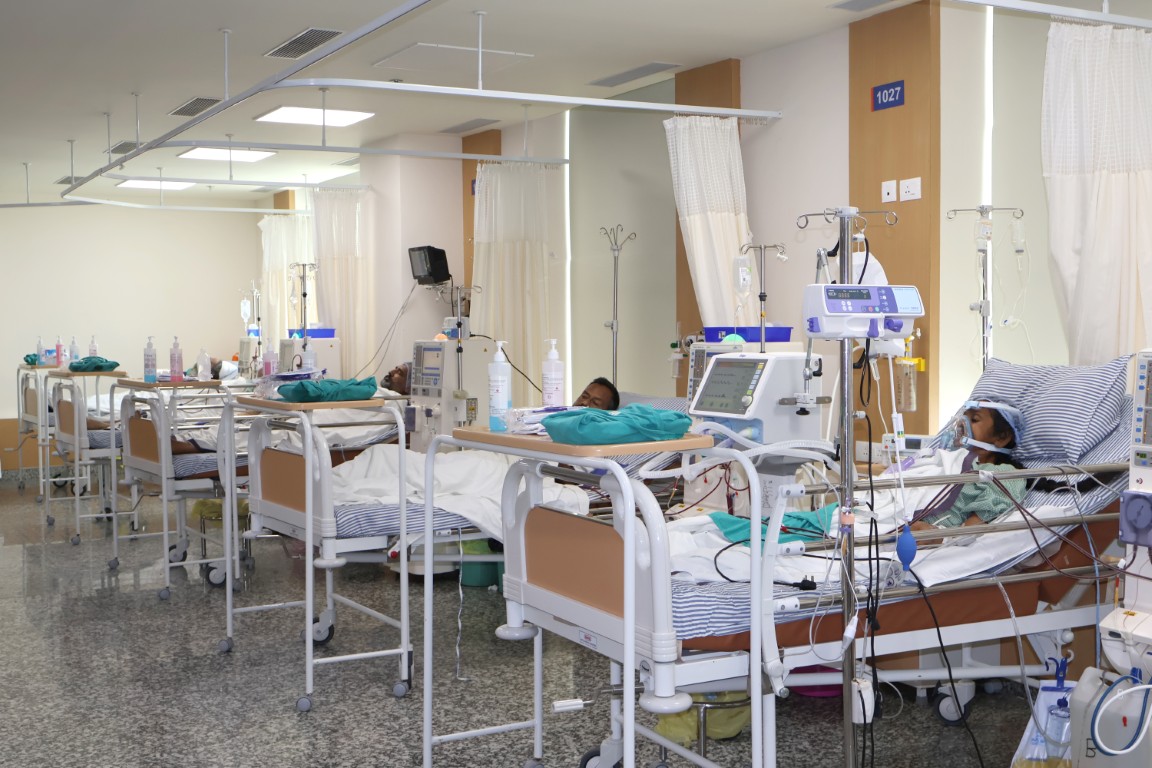
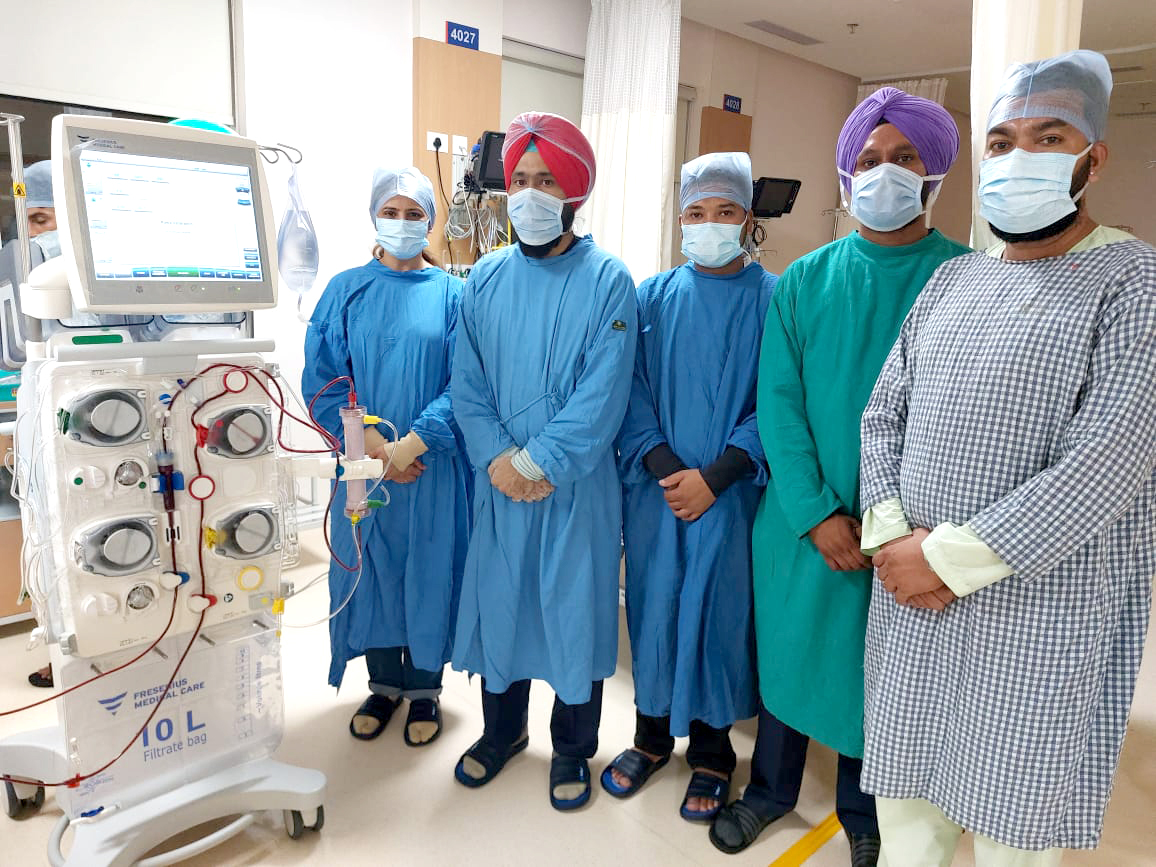
Aligned with the mission of World Kidney Day 2026, Pragma Hospital provides comprehensive nephrology services and advanced dialysis facilities in Bathinda. Our goal is to deliver safe, efficient, and uninterrupted kidney care to patients suffering from chronic kidney disease and kidney failure.
Our nephrology department focuses on early diagnosis, advanced dialysis technology, and patient-centered care aligned with the global vision of “Kidney Health for All.”


- Separate dialysis stations for Hepatitis B patients
- Dedicated dialysis area for HIV patients
- Strict sterilization and hygiene protocols
- Regular monitoring of safety standards
- Controlled patient flow within the dialysis unit
Expert Medical Supervision
All dialysis services are supervised by experienced nephrology specialists, ensuring comprehensive kidney care and evidence-based treatment protocols.

Dr. Swaranjeet Kaur
DM Nephrology
15+ Years Experience

Dr. Preeti Chaudhary
Consultant
How to Get Involved
Undergo regular screenings if you are at risk. Early detection can prevent severe complications.
Learn about kidney health and spread awareness within your community.
Drink enough water, exercise regularly, and maintain a balanced diet to support kidney health.
Share awareness messages and encourage others to prioritize kidney health.
Support organizations working towards kidney disease research and innovation.
Early Warning Signs & Symptoms of Kidney Disease You Should Not Ignore
Kidney disease often develops silently, and early symptoms may be mild or easily ignored. Recognizing warning signs early can help prevent serious complications and allow timely medical intervention. If symptoms persist, a kidney function evaluation is strongly recommended.Recognizing early symptoms of kidney disease can prevent severe complications and reduce the need for advanced treatments like dialysis.
Unexplained fatigue is often one of the earliest symptoms. When kidneys fail to filter waste effectively, toxins build up in the blood leading to constant tiredness even after adequate rest.
Why it happens:
Reduced kidney function lowers erythropoietin production, leading to anemia and decreased oxygen supply to body tissues.
What to watch for:
- Low energy despite proper sleep
- Difficulty concentrating or brain fog
- Fatigue during routine activities
Changes in urination habits can indicate kidney dysfunction since kidneys regulate urine formation and filtration.
Common changes include:
- Frequent urination, especially at night
- Foamy or bubbly urine
- Blood in urine (hematuria)
- Dark or unusually pale urine
- Reduced urine output
Persistent changes should be evaluated through urine testing and kidney function assessment.
Fluid retention (edema) occurs when kidneys fail to remove excess sodium and fluids, leading to swelling in different parts of the body.
Where you might notice swelling:
- Ankles and feet
- Hands and fingers
- Puffiness around the eyes in the morning
Swelling can also be linked to heart or liver conditions, so medical evaluation is important.
Breathlessness may occur due to fluid buildup in the lungs, anemia, or toxin accumulation affecting oxygen balance in the body.
Possible causes:
- Fluid accumulation in lungs
- Reduced red blood cell count
- Toxin buildup affecting oxygen delivery
Sudden or worsening breathlessness should always be taken seriously.
As kidney function declines, waste products accumulate in the blood affecting digestion and appetite.
What to look out for:
- Frequent nausea or vomiting
- Metallic or bitter taste in mouth
- Reduced appetite or unintended weight loss
Ignoring these symptoms can lead to malnutrition and worsening health.
Trusted Kidney Care at Pragma Hospital
If you or a loved one are experiencing symptoms of chronic kidney disease, early consultation is essential. At Pragma Hospital, Bathinda, we provide advanced nephrology services with a patient-first approach.
- Comprehensive kidney function testing
- Personalized treatment plans
- Diet and lifestyle counseling
- Advanced dialysis and chronic kidney care
- Access to experienced nephrologists and trained support staff
Our team of experienced Kidney specialists in Bathinda focuses on early diagnosis, preventive care, and sustainable treatment approaches aligned with the World Kidney Day 2026 mission.
Understanding Kidney Health and Why It Matters
Your kidneys may be small in size, but they perform some of the most critical functions in the body. Acting as natural filtration units, they work continuously to maintain internal balance and overall health.
Healthy kidneys are responsible for:
When kidney function begins to decline, waste and excess fluids accumulate in the body. This imbalance can affect multiple organs including the heart, lungs, and brain. Kidney disease does not impact only one system — it disrupts overall body functioning.
Conditions such as diabetes and high blood pressure are closely linked to kidney damage. Uncontrolled blood sugar and hypertension remain the leading causes of Chronic Kidney Disease (CKD) worldwide, making kidney health an essential part of long-term preventive healthcare.
Because early kidney damage often develops silently without noticeable symptoms, awareness and regular screening become essential. Protecting kidney health means protecting your entire body.
Maintaining proper hydration, following a balanced diet, staying physically active, and regularly monitoring blood pressure and blood sugar levels are key steps in preserving kidney function for years to come.
Protect Your Kidneys: Consult a Specialist in Bathinda
World Kidney Day 2026 is more than just a health campaign — it is a reminder to prioritize prevention, sustainability, and equal access to kidney care. Increasing World Kidney Day awareness helps communities understand the importance of early detection and regular screening
By following essential kidney health tips such as staying hydrated, controlling blood sugar and blood pressure, and avoiding excessive painkiller use, individuals can significantly reduce their risk of chronic kidney disease.
Most importantly, recognizing early symptoms of kidney disease — including fatigue, swelling, and changes in urination — allows timely medical intervention and prevents severe complications.
If you or your loved ones fall into a high-risk category, consult an experienced Kidney specialist in Bathinda and schedule a preventive screening today. Early action protects not only your kidneys but your overall health for years to come.