
World Liver Day 2026
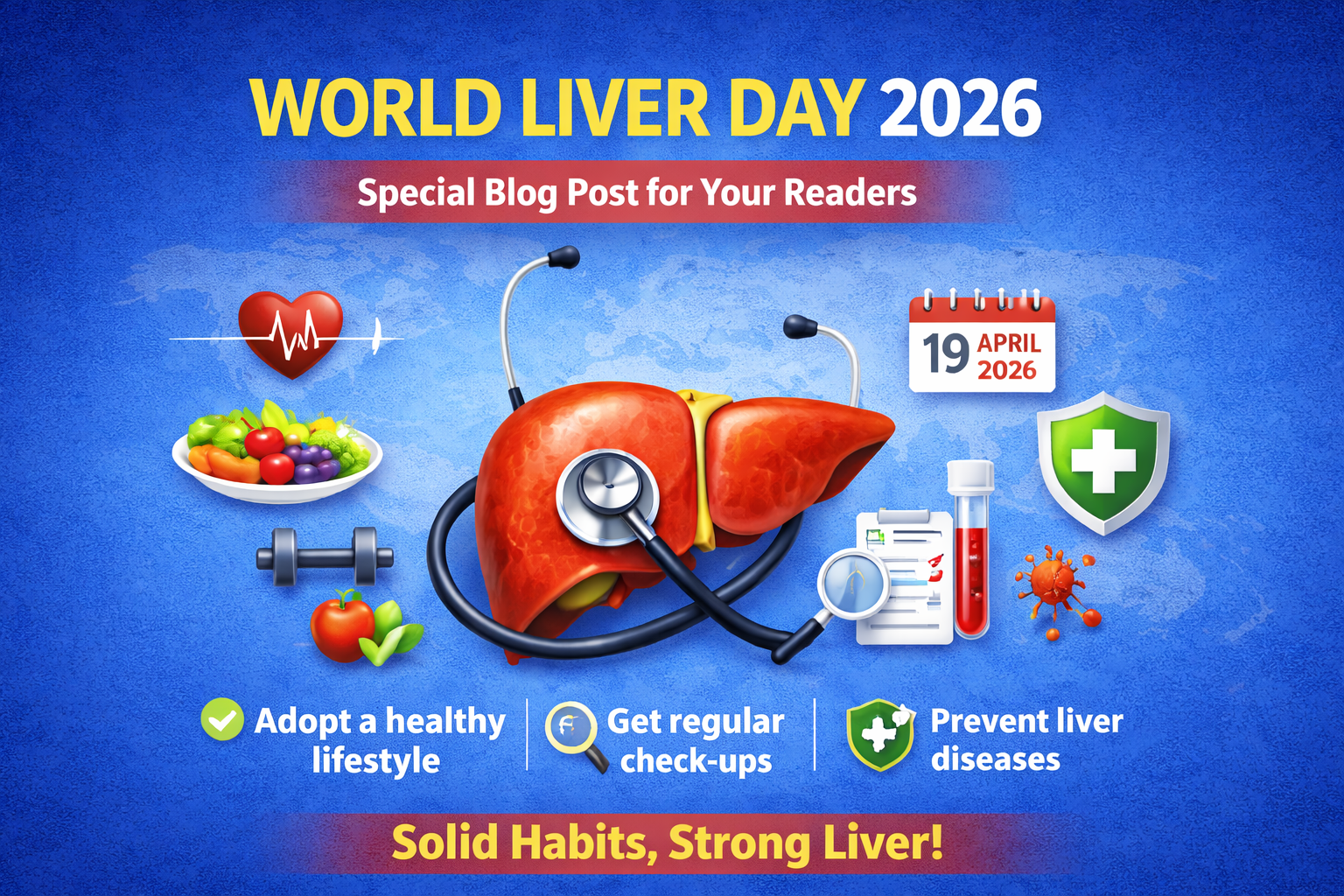
World Liver Day 2026 is observed every year on April 19 to raise awareness about liver health and prevent liver-related diseases. With the theme “Solid Habits, Strong Liver,” this day highlights the importance of healthy lifestyle choices. Liver disease cases are rising in India, and understanding liver disease symptoms and prevention is essential for early diagnosis and treatment. If you notice liver disease symptoms in Bathinda, early consultation with a specialist can prevent serious complications.
Why Liver Health Matters
Your liver workssilently, tirelessly, and without applause. It filters toxins, supports digestion, regulates metabolism, and keeps your body in balance like an invisible command center. Yet, it's often ignored until problems arise.
World Liver Day 2026 observed every year on April 19, is a reminder that liver health is not optional—it's essential. This year's theme, "Solid Habits, Strong Liver," highlights the importance of consistent lifestyle choices in protecting one of the most vital organs in the human body.
In today's fast-paced world, unhealthy diets, alcohol consumption, sedentary lifestyles, and rising stress levels are increasing liver-related diseases at an alarming rate. The good news? Most liver issues are preventable with the right habits.
Let's explore how you can build a stronger, healthier liver with simple, sustainable changes this World Liver Day 2026 .
Maintaining liver health is crucial to prevent conditions like fatty liver disease, hepatitis, and cirrhosis. Awareness campaigns like World Liver Day 2026 help people take preventive action early. The liver, the largest and most intricate internal organ, resides in the upper right quadrant of the abdomen. Often overshadowed by its more visible counterparts, the liver plays a critical role in human physiology, acting as the body's primary metabolic and detoxification centre. The liver plays a vital role in detoxification, metabolism, and digestion, making it one of the most important organs in the human body. Strategically positioned beneath the diaphragm, the liver receives blood rich in nutrients from the digestive system via the hepatic portal vein. This constant influx allows the liver to perform its multifaceted tasks, ensuring the body's efficient utilisation of nutrients and the removal of potentially harmful substances. The liver is like a silent powerhouse, working behind the scenes to keep your body balanced and energized. Understanding these core functions helps us realise why liver care is essential for overall well-being. The liver acts as a biochemical maestro, orchestrating the transformation of ingested nutrients into readily usable forms. Complex carbohydrates are converted into glucose, the body's primary energy source. Excess glucose is stored as glycogen for later use, while fats are metabolised for energy production or storage. Additionally, the liver processes the amino acids, the building blocks for protein synthesis throughout the body.. Functioning as the body's natural filtration system, the liver relentlessly removes toxins and by-products of metabolism from the bloodstream. These potentially harmful substances can originate from medications, environmental pollutants, and even the body's own natural processes. The liver efficiently neutralises these toxins, converting them into harmless compounds that are subsequently eliminated through the urine or faeces.. The liver is a prolific manufacturer of vital biomolecules. It synthesises proteins essential for blood clotting, ensuring proper wound healing and preventing excessive bleeding. Furthermore, the liver produces proteins especially albumin that bolster the immune system, aiding in the fight against infections. Additionally, the liver produces bile, a yellowish fluid crucial for fat digestion and absorption in the small intestine. Looking for the best liver care in Bathinda? Visit our
Gastroenterology & Digestive Care
for expert diagnosis and advanced treatment.
This year, 2026, the World Liver Day theme is “Solid Habits, Strong Liver”. This theme emphasizes building consistent lifestyle habits, such as a balanced diet, regular exercise, limited alcohol intake, and routine check-ups to strengthen liver health and prevent diseases.
The theme highlights that maintaining liver health is a long-term commitment. By adopting healthy daily habits and making informed lifestyle choices, individuals can significantly reduce the risk of liver diseases and improve overall well-being.
Focus on consistent lifestyle habits to improve and protect liver health.
Emphasizing the role of nutrition in maintaining liver health.
Encouraging early detection and prevention of fatty liver disease.
Raising awareness that fatty liver can affect individuals across all age groups.
Promoting general awareness about liver health and disease prevention.
Liver disease cases are increasing in India due to unhealthy lifestyle habits, alcohol consumption, and obesity. Awareness campaigns like World Liver Day 2026 play a crucial role in promoting early diagnosis and prevention. Recognizing early liver disease symptoms can help in timely diagnosis and effective treatment. Common liver disease symptoms in Bathinda patients include fatigue, jaundice, and abdominal pain. Constant tiredness is one of the earliest signs of liver dysfunction. When the liver is not functioning properly, toxin buildup can drain your energy levels and affect daily productivity. Jaundice occurs when bilirubin levels rise in the blood due to poor liver function. This is a major red flag often highlighted during World Liver Day 2026 campaigns. Pain or discomfort in the upper right abdomen may indicate liver inflammation. Swelling can also occur due to fluid buildup, linked with advanced liver disease. A damaged liver affects digestion and metabolism, leading to reduced hunger and unexplained weight loss. Frequent nausea can result from toxin accumulation in the body when the liver is unable to detoxify effectively. Dark-colored urine is often a sign of excess bilirubin in the body and should not be ignored. Persistent itching can occur due to bile salt accumulation under the skin, associated with liver disorders. ⚠️ If you experience any of these symptoms, consult a healthcare professional immediately. Early detection combined with healthy habits can prevent serious complications. Understanding these risk factors can help prevent serious liver conditions and improve long-term health outcomes. Excess alcohol damages liver cells over time, leading to Best fatty liver treatment in Bathinda, hepatitis, and cirrhosis. Limiting intake is key for better liver health. Junk food and high sugar intake can cause fat buildup in the liver, increasing the risk of fatty liver disease. A balanced diet supports liver health. Overuse of medicines and exposure to chemicals can harm the liver. Safe usage is important, as highlighted in World Liver Day awareness. Some people are more prone to liver disorders due to inherited conditions. Early testing helps in better liver care. Diseases like diabetes increase liver risk by causing fat accumulation. Managing health conditions is essential, especially on World Liver Day 2026. Hepatitis B and C viruses can cause chronic liver infections. Vaccination and safe practices are crucial for hepatitis prevention.
Today, liver diseases like fatty liver, hepatitis, cirrhosis, and liver cancer are increasing due to unhealthy lifestyle habits.
Early diagnosis and proper care can help prevent serious complications and protect your liver health. Fatty liver happens when extra fat builds up in the liver and affects its normal function. Caused by heavy alcohol use. Over time, it can damage liver cells and lead to serious liver problems. Common in people with obesity, diabetes, or high cholesterol. In severe cases, it can lead to liver damage, cirrhosis, or cancer. Hepatitis means inflammation of the liver, usually caused by infections like Hepatitis B and C. Cirrhosis is a serious condition where healthy liver tissue turns into scar tissue, affecting liver function. Causes: Alcohol use, hepatitis, or fatty liver disease. Symptoms: weakness, weight loss, swelling, and jaundice. Early treatment can help slow the damage. Liver cancer, also called hepatocellular carcinoma, develops in liver cells. Risk factors: hepatitis infection, fatty liver, alcohol use, and cirrhosis. Prevention: Regular liver screening helps detect it early and improves survival chances. Liver failure happens when the liver stops working properly. Causes: chronic liver disease, alcohol abuse, infections, or drug toxicity. Symptoms: confusion, extreme fatigue, swelling, easy bruising, and jaundice. Medical emergency: Needs immediate treatment. Taking proactive steps to maintain liver health is essential for reducing the risk of liver diseases. As emphasized in the World Liver Day 2026 theme – Solid Habits, Strong Liver – small lifestyle changes today can protect your liver for years to come. Physical activity helps burn triglycerides for fuel and can reduce liver fat. Aim for at least 150 minutes of moderate-intensity exercise per week. Alcohol can damage or destroy liver cells. If you drink, do so in moderation—up to one drink a day for women and up to two drinks a day for men. Obesity can increase your risk of non-alcoholic fatty liver disease (NAFLD). Losing 5-10% of your body weight can significantly improve liver health. Include plenty of liver-friendly foods like leafy greens, fruits, whole grains, lean proteins, and healthy fats. Avoid high-calorie meals, saturated fats, and refined carbohydrates. Toxins can injure liver cells. Limit direct contact with chemicals from cleaning products, aerosols, and insecticides. Always wear protective gear when using chemicals. Protect yourself against hepatitis A and B through vaccination. There is no vaccine for hepatitis C, so practice safe behaviors. Avoid sharing needles, razors, or toothbrushes. Practice safe sex to prevent hepatitis B and C transmission. Get regular liver function tests, especially if you have risk factors. Early detection of liver problems can prevent serious complications. MD (Medicine) — Gastroenterology Specialization: Gastroenterology & Advanced Endoscopy Dr. Anshul Bhateja is a skilled Medical Gastroenterologist with expertise in disorders of the digestive system, liver, pancreas, and bowel. He completed MBBS from GMC Patiala, MD from GMC Amritsar, and DM Gastroenterology from IGMC Shimla. He is known for his detailed evaluation, patient-friendly approach, and advanced endoscopic skills. This article is medically reviewed by Dr. Anshul Bhateja, MD Gastroenterology, with expertise in liver and digestive disorders. Your liver is not just another organ—it's the silent engine that powers your entire body. From digestion to detoxification, it works 24/7 without complaints. But modern lifestyle habits are putting this vital organ at risk. This World Liver Day 2026, take a conscious step toward better health by following the theme "Solid Habits, Strong Liver." Small daily actions like eating clean, staying active, limiting alcohol, and regular checkups can make a massive difference. Remember, liver diseases often show late symptoms, but early care can prevent serious complications. Prioritizing liver health today means a healthier, more energetic tomorrow. 🌟 Because when your habits are strong, your liver stays stronger 🌟 World Liver Day is observed every year on April 19 to spread awareness about liver health and diseases. It encourages people to adopt healthy habits and prevent liver-related complications. The day highlights the importance of early detection, regular checkups, and lifestyle modifications for maintaining liver health. The World Liver Day 2026 theme is "Solid Habits, Strong Liver," focusing on lifestyle changes for better liver health. This theme emphasizes that consistent daily habits around food, exercise, alcohol consumption, and self-care are the foundation of a healthy liver. Common signs include fatigue, jaundice (yellowing of skin and eyes), nausea, abdominal pain, dark urine, loss of appetite, and itchy skin. Early detection is important for preventing serious liver diseases. If you experience these symptoms, consult a healthcare professional immediately. You can improve liver health by eating a balanced diet, exercising regularly, staying hydrated, avoiding alcohol, maintaining a healthy weight, and getting regular health checkups. Include liver-friendly foods like leafy greens, berries, nuts, and fatty fish in your diet. Leafy greens, fruits, nuts, whole grains, fatty fish, olive oil, and coffee help support liver function and overall well-being. These foods provide antioxidants, healthy fats, and essential nutrients that protect liver cells and promote regeneration. Yes, most liver diseases can be prevented by maintaining healthy habits, avoiding toxins, limiting alcohol, eating a balanced diet, exercising regularly, and getting regular health checkups, as promoted in World Liver Day awareness campaigns. Vaccination against hepatitis A and B also provides protection. Consult a doctor if you notice liver disease symptoms like fatigue, jaundice, abdominal pain, swelling, or dark urine. Early liver diagnosis helps prevent serious complications. Common liver tests include Liver Function Test (LFT), ultrasound, FibroScan, and hepatitis blood tests. These help in early liver disease detection.
For more details about global awareness initiatives, visit the official
World Liver Day
website. Don't wait for symptoms to appear. Schedule your liver health checkup today and commit to solid habits for a stronger liver.Understanding the Liver
The Body's Chemical Factory
📍 Location and Significance
Essential Functions of the Liver
🍎 Nutrient Processing
🛡️ Detoxification
🏭 Production Hub
World Liver Day 2026 Theme
"Solid Habits, Strong Liver"
📅 Year by Year Themes of World Liver Day
Solid Habits, Strong Liver
Food is Medicine
Be Vigilant, Get Regular Liver Check-Ups and Prevent Fatty Liver Diseases
Be Vigilant, Do Regular Liver Check-Up, Fatty Liver Can Affect Anyone
Keep Your Liver Healthy and Disease-Free
🔥 Latest Update 2026
Symptoms of an Unhealthy Liver
😴 Fatigue and Weakness
💛 Yellowing (Jaundice)
🤰 Abdominal Pain or Swelling
🍽️ Loss of Appetite
🤢 Nausea or Vomiting
🚽 Dark Urine
🔴 Itchy Skin
Major Risk Factors for Liver Disease
Alcohol Consumption
Unhealthy Diet & Obesity
Medications & Toxins
Genetic Predisposition
Diabetes & Metabolic Issues
Viral Infections
Common Liver Disorders
🍺 Alcoholic Fatty Liver (AFLD)
🍎 Non-Alcoholic Fatty Liver (NAFLD)
Tips for Maintaining Liver Health

Maintain a Regular Exercise Routine
Limit Alcohol Intake
Maintain a Healthy Weight
Eat a Balanced Diet
Avoid Exposure to Toxins
Get Vaccinated
Practice Safe Behaviors
Regular Health Checkups
Expert Care for Liver Health in Bathinda

Dr. Anshul Bhateja

Conclusion
Frequently Asked Questions
Take Action This World Liver Day 2026