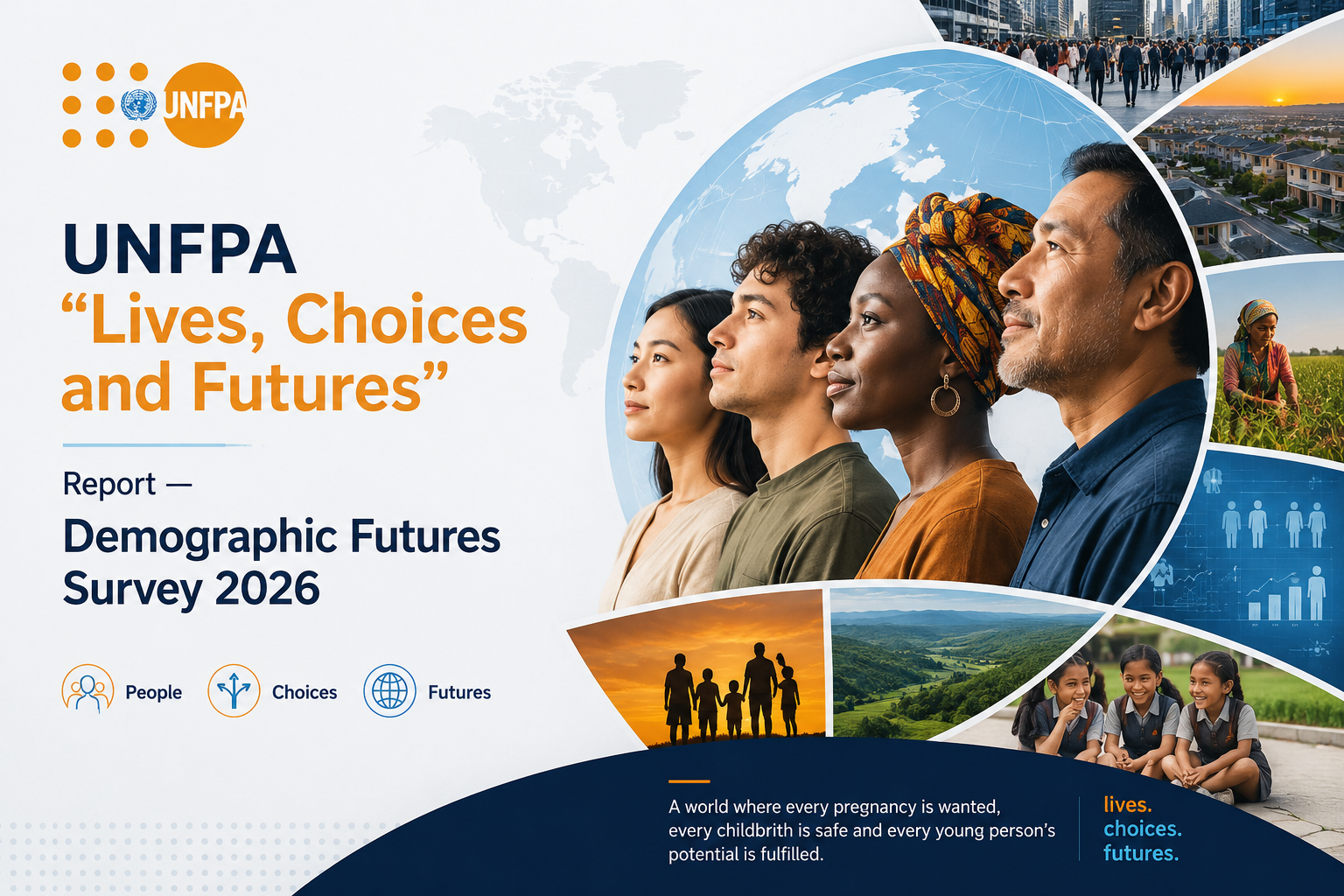
World Population Day traces back to a single, powerful moment: July 11, 1987, the date demographers estimated the world's population had crossed five billion. The public fascination with that milestone — often called "Five Billion Day" — convinced the Governing Council of the United Nations Development Programme to turn it into an annual observance in 1989.
The UN General Assembly made it official a year later, through resolution 45/216 in December 1990. Since then, the day has become a recurring checkpoint for a wide set of issues: family planning, maternal health, gender equality, migration, urbanisation, and human rights. It isn't a public holiday anywhere, so offices and schools stay open, but health organisations, educators, and nonprofits use the date as a reliable hook for conversations that don't otherwise get much airtime.
What makes this observance particularly significant in 2026 is how the conversation has evolved. Where early themes focused heavily on controlling population growth, modern framing centres on human rights, individual choice, and the specific concerns of young people navigating an uncertain economic and environmental future. The shift reflects a deeper understanding: population numbers are not just statistics — they represent lives, aspirations, and the systems that either support or constrain them.
"Behind every population number is a life, a story, and a shared responsibility to shape a future where growth is guided by care, balance, and opportunity for all." — United Nations Population Fund